Every spring the Piedmont turns yellow-green for weeks. Here's when pollen peaks around Lincoln County, why rinsing it off wrong just smears it, and how to actually get your home clean.
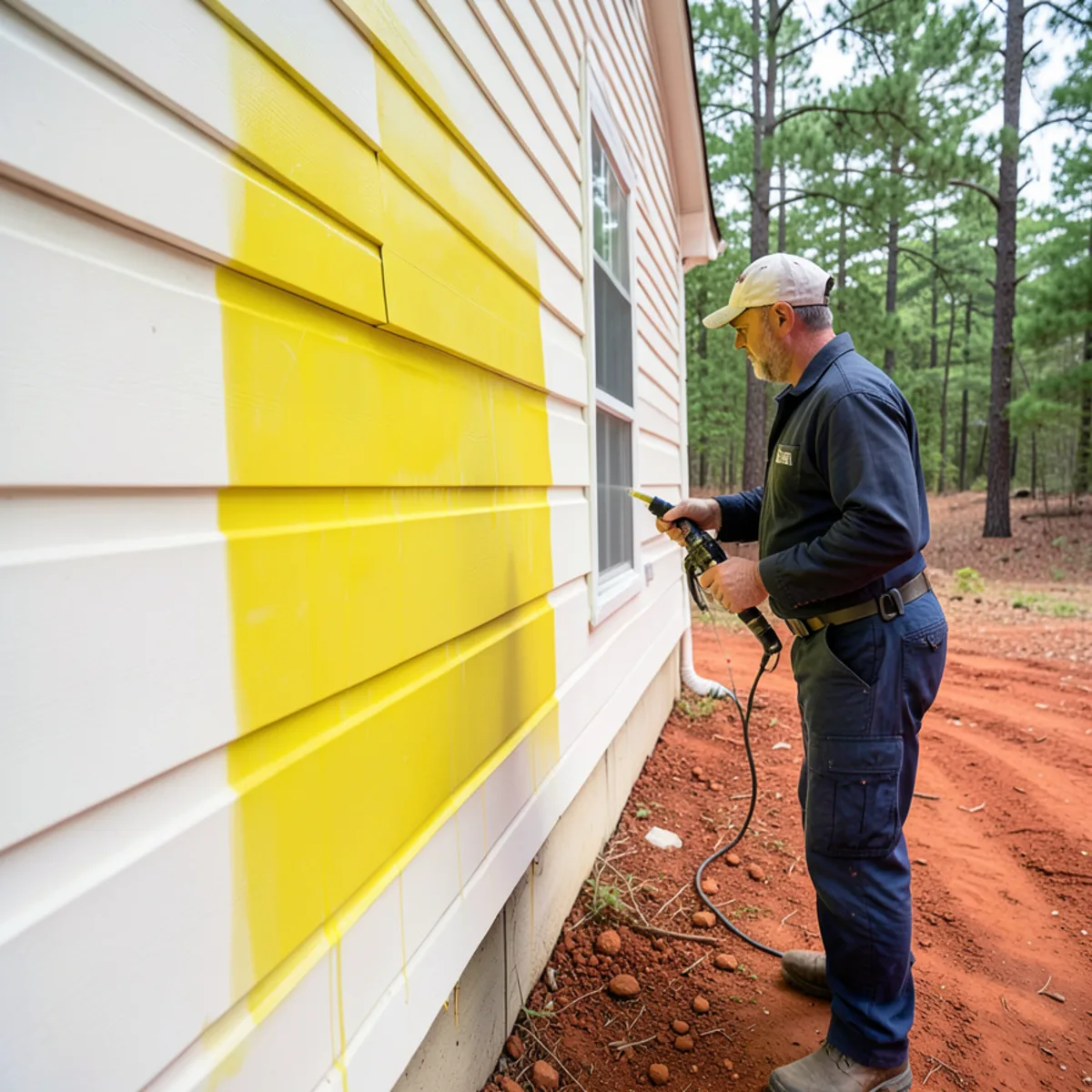
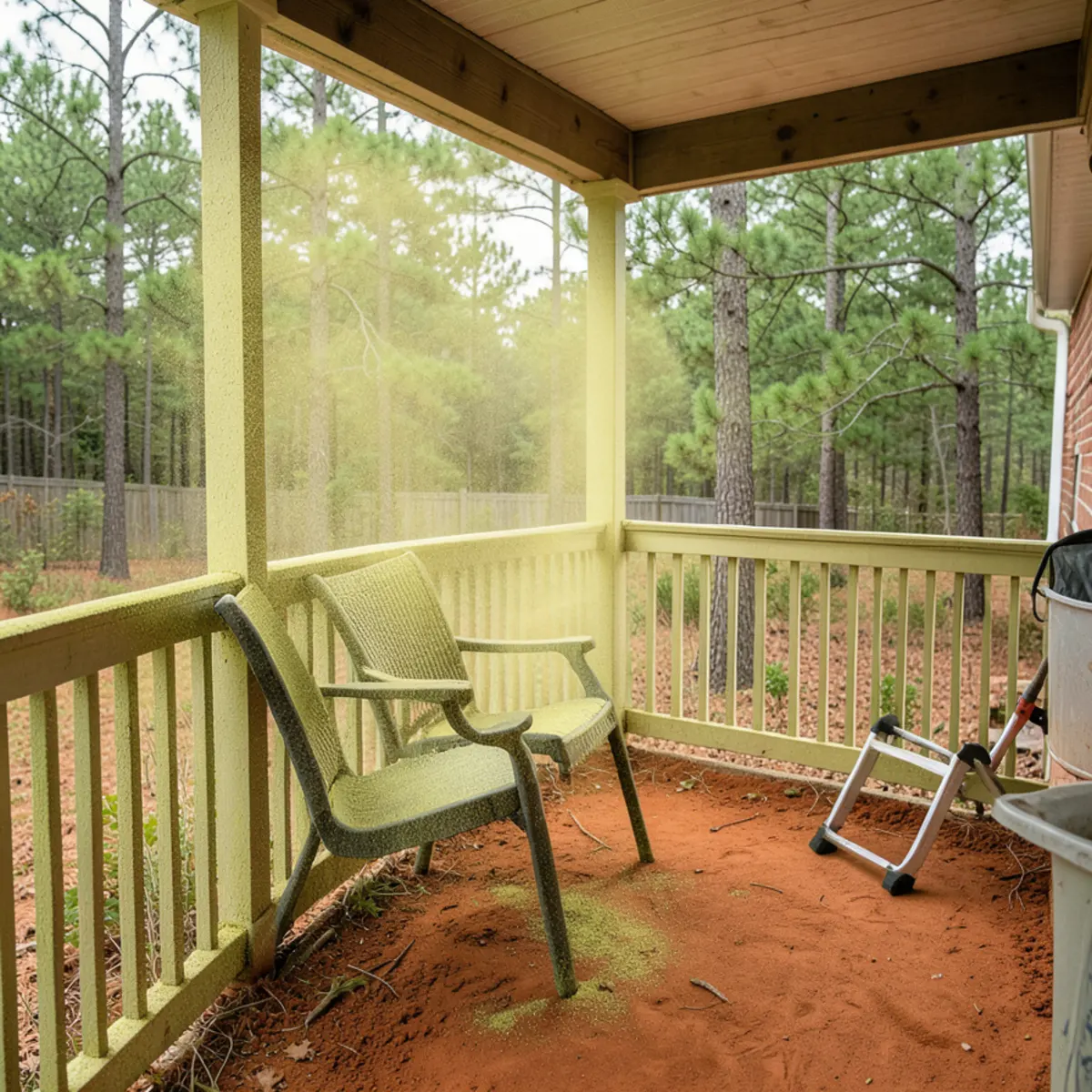
If you have lived through a spring in Lincoln County, you know the drill. Sometime in late March the cars, the porch, the patio furniture, and the whole side of the house turn a dusty yellow-green. You wipe it off and it is back by the afternoon. That is tree pollen, and in the Carolina Piedmont we get a heavy dose of it every year.
Most people just wait it out. But pollen does more than make everything look dirty, and how you clean it off makes a real difference.
When Pollen Peaks in the Carolina Piedmont
Here, the worst of the tree pollen runs from roughly late March through May. A few trees do most of the damage:
- Pine produces the heavy, visible yellow dust that coats flat surfaces and collects in corners.
- Oak is one of the bigger allergy culprits and sheds for weeks.
- Sweetgum, birch, and maple add to the load through mid-spring.
Warm days and dry wind send counts the highest; a good rain knocks it down for a day or two before it climbs again. By the time grass pollen takes over in late spring, the heavy tree drop that coats your house is usually winding down. That timing matters for when you should wash, which we will get to.
Why Pollen Is More Than Just Ugly
A yellow film on the siding is the part you see. The part you do not see is what pollen does while it sits there:
- It is organic debris, so it holds moisture against your siding, trim, and railings instead of letting them dry.
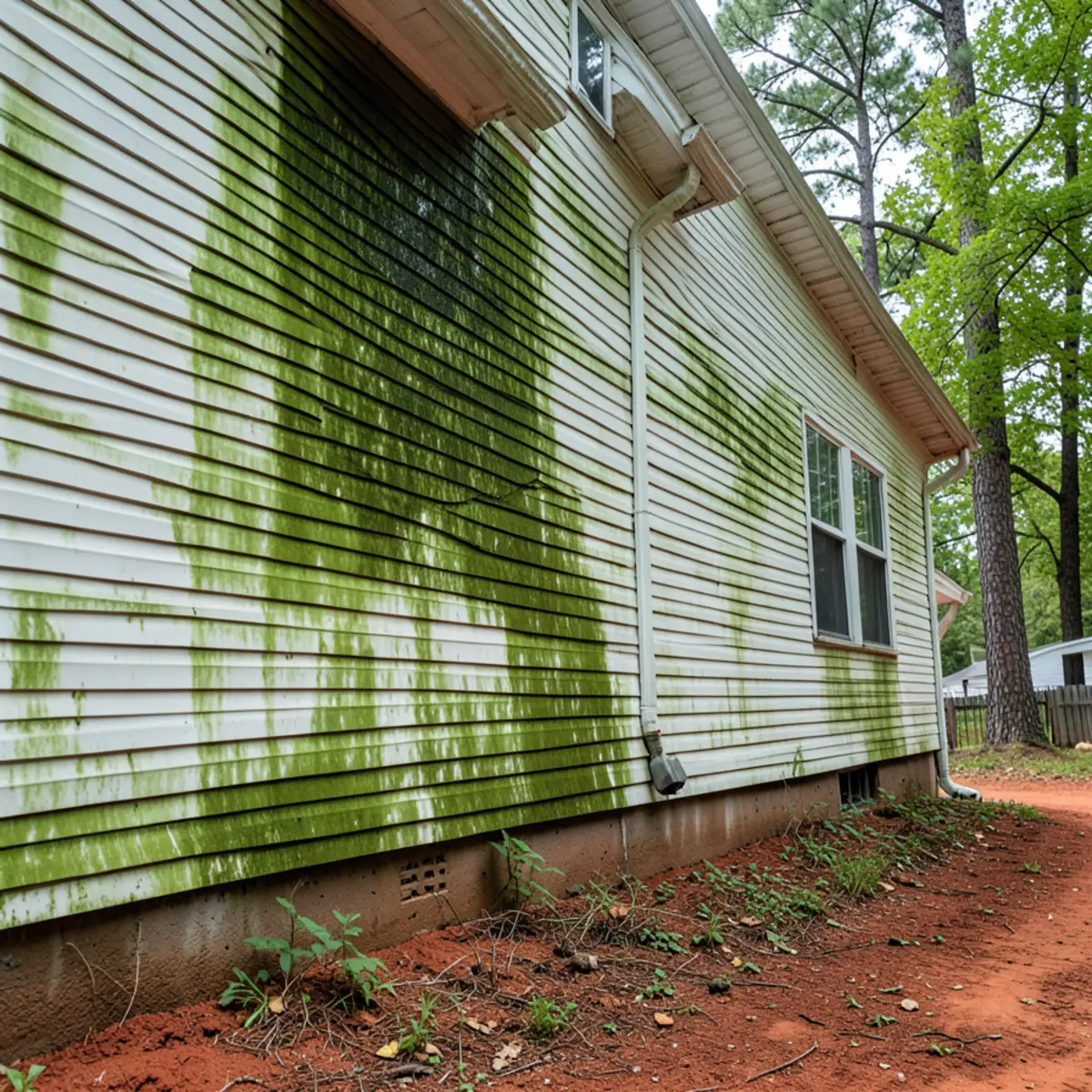
- That trapped dampness feeds the algae and mildew that show up as green and black staining later in the summer. In other words, the pollen you ignore in April becomes the green siding you are fighting in July.
- It clogs window screens and gutter guards, cutting airflow and water flow.
- It collects on decks, patios, and outdoor furniture, where it gets sticky and tracks indoors.
So clearing pollen is not only cosmetic. It removes the food source for the staining that would otherwise cost you a bigger cleaning job down the road. Our guide on how often to pressure wash your home puts a spring clean in context with the rest of the year.
Why Hosing It Off Yourself Often Backfires
The instinct is to grab the garden hose and blast the pollen off. The trouble is that dry pollen plus a little water often turns into a sticky paste that smears across the siding rather than rinsing away. You end up pushing it into the texture of the siding and the grooves of the trim.
A pressure washer seems like the stronger answer, but aimed at siding, soffits, and screens, high pressure drives water behind panels and under trim — exactly where you do not want moisture sitting. Pollen season is a soft-wash job, not a blast-it job.
The Right Way to Clean Pollen Off Your Home
The effective approach is a soft wash: low pressure plus a cleaning solution that breaks down the pollen film and the early algae growth underneath it, then a gentle rinse that carries it all away instead of smearing it. That gets siding, soffits, railings, and screens genuinely clean without forcing water where it should not go.
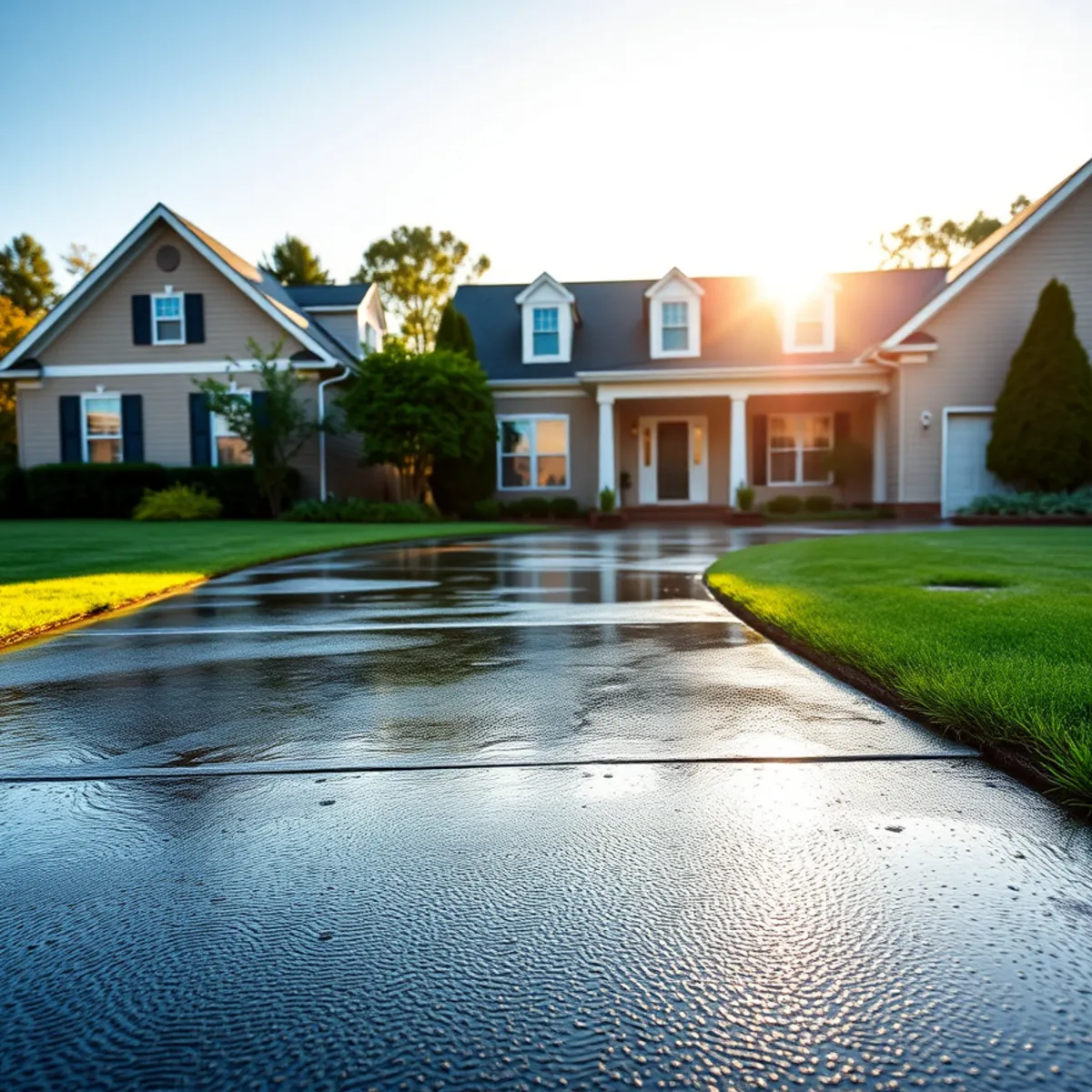
For a whole-home refresh after the pollen settles, our house washing service covers the siding, trim, and eaves in one visit. Decks and patios that collected weeks of yellow dust are worth including while the crew is out — pollen plus humidity makes those surfaces slick.
The Best Time to Schedule a Pollen Wash
The timing trick is simple: do not wash during the heaviest drop, or you will be cleaning the same surface again a week later. Wait until the worst of the tree pollen is winding down — usually mid-to-late May around here — then wash. You clear the full season's buildup at once and head into summer with siding that will not green up as fast. Our breakdown of the best time of year to pressure wash in North Carolina covers how the seasons line up. If you are also prepping to paint or sell, clean after the pollen settles so the surface stays clean for photos and primer.
Written by the Hydro Jet PW Crew
Led by Caleb, a local Lincoln County firefighter who started Hydro Jet in 2015. We soft wash, protect your property, and treat your home like our own.
Frequently Asked Questions
Tree pollen here is heaviest from about late March through May. Pine, oak, and sweetgum do most of the visible coating. Warm, dry, windy days push counts the highest, and a hard rain knocks it down for a day or two before it climbs back up.
It does more than look bad. Pollen is organic, so it holds moisture against your siding and trim and feeds the algae and mildew that stain your home green and black later in the summer. Clearing it removes the food source for that staining.
Dry pollen plus a little water often turns into a sticky paste that spreads across the siding instead of rinsing off, and a plain hose does not have a cleaner to break it down. A soft wash uses a solution that dissolves the film so a gentle rinse carries it away.
Yes. If you wash during the heaviest drop you will be cleaning the same surface again within a week. Wait until the tree pollen winds down in mid-to-late May, then wash once to clear the whole season's buildup.
Got a stain you can't beat?
Let a local crew handle it. Free estimates, fast scheduling.
Call +1 (351) 242-0666