Dallas is the oldest town in Gaston County, and it shows — the courthouse square still holds 1840s brick storefronts a few blocks from vinyl-sided ranches off US-321. We're a local soft-wash crew that washes both, and we know the difference between scrubbing antebellum lime mortar around the square and rinsing green algae off a north-facing wall in Rosewood Village. If you've been searching for pressure washing in Dallas, NC that won't blast the chalk off your siding or strip the granules off your roof, you've found the right crew.
Two Dallas Housing Stocks, One Local Crew
Most of the pressure washers who advertise in Dallas are Gastonia or Charlotte outfits that treat the town as a templated drop-in. They run the same playbook on a 1990s vinyl ranch that they'd run on a Late Victorian on North Oakland Street — and around here, that's how you get repointing bills and stripped paint.
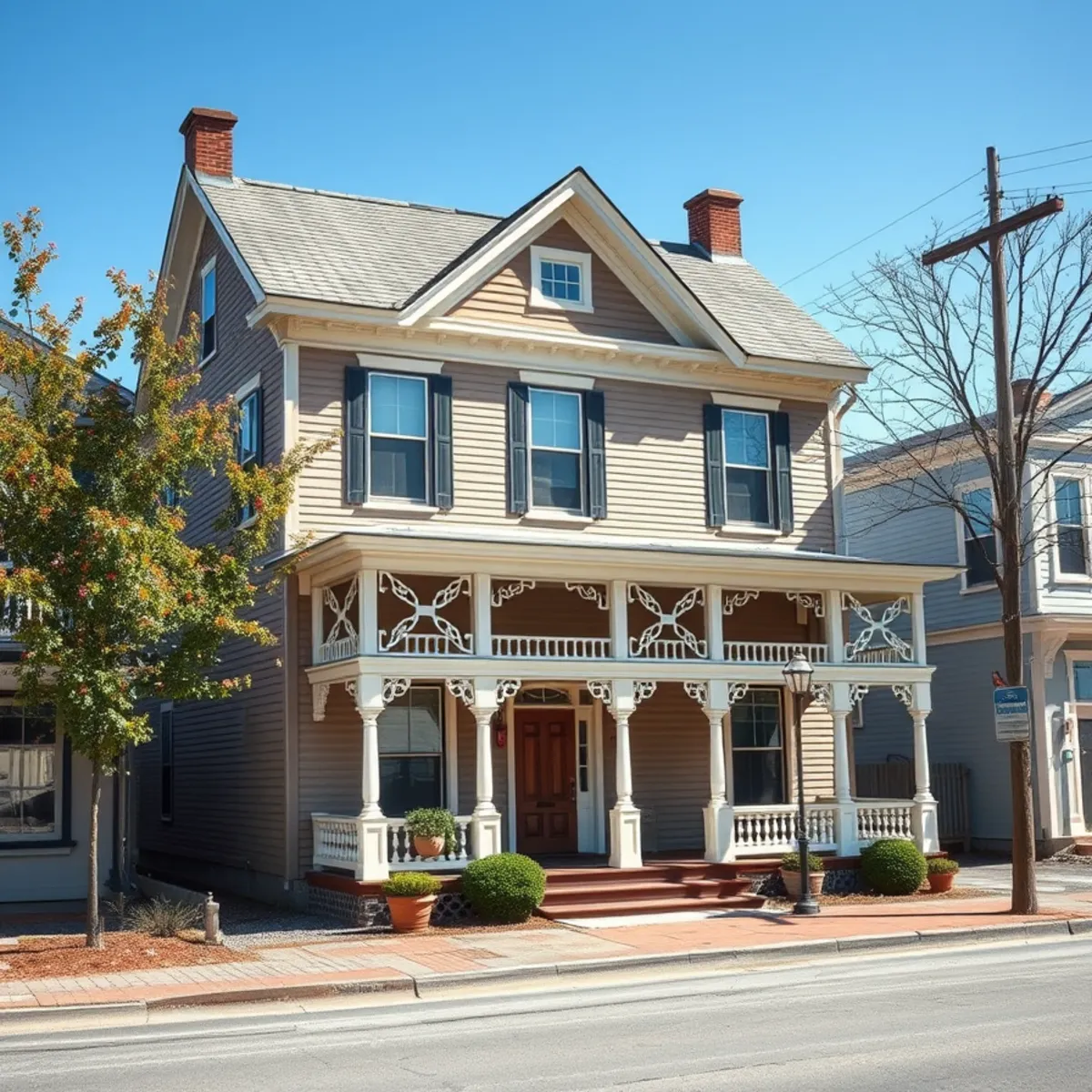
Dallas really is two towns of houses sitting side by side. There's the National Register historic district — eight contributing buildings around the courthouse square, dated roughly 1840 to 1900, from the 1843 Greek Revival courthouse (now the town's banquet and meeting hall) to the Hoffman Hotel, the Rhyne Store, the Setzer General Store, the Smyre-Pasour House and the Late Victorian Wilson-Spargo House. Then there's the modern town: brick ranches and Craftsman bungalows that make up the dominant Dallas housing stock, plus the newer vinyl subdivisions strung along the US-321 corridor — Rosewood Village, Summey Knoll, Eden Glen, Cloninger Ridge and the streets running off Holland, Gaston and Trade.
The cleaning these two stocks need could not be more different. We adjust the method to the surface every single time, and that's the whole job.
Why Dallas Surfaces Get Dirty in the First Place
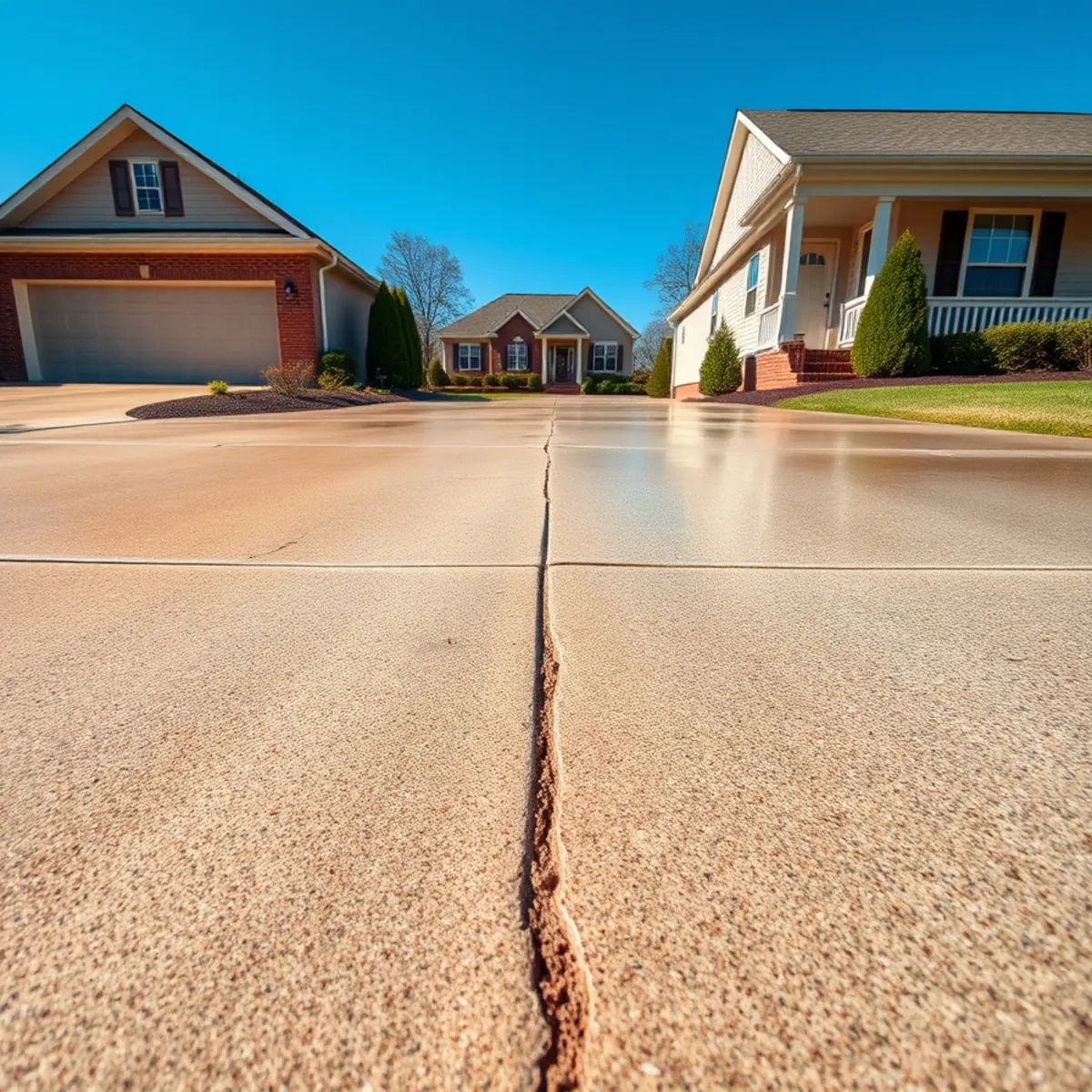
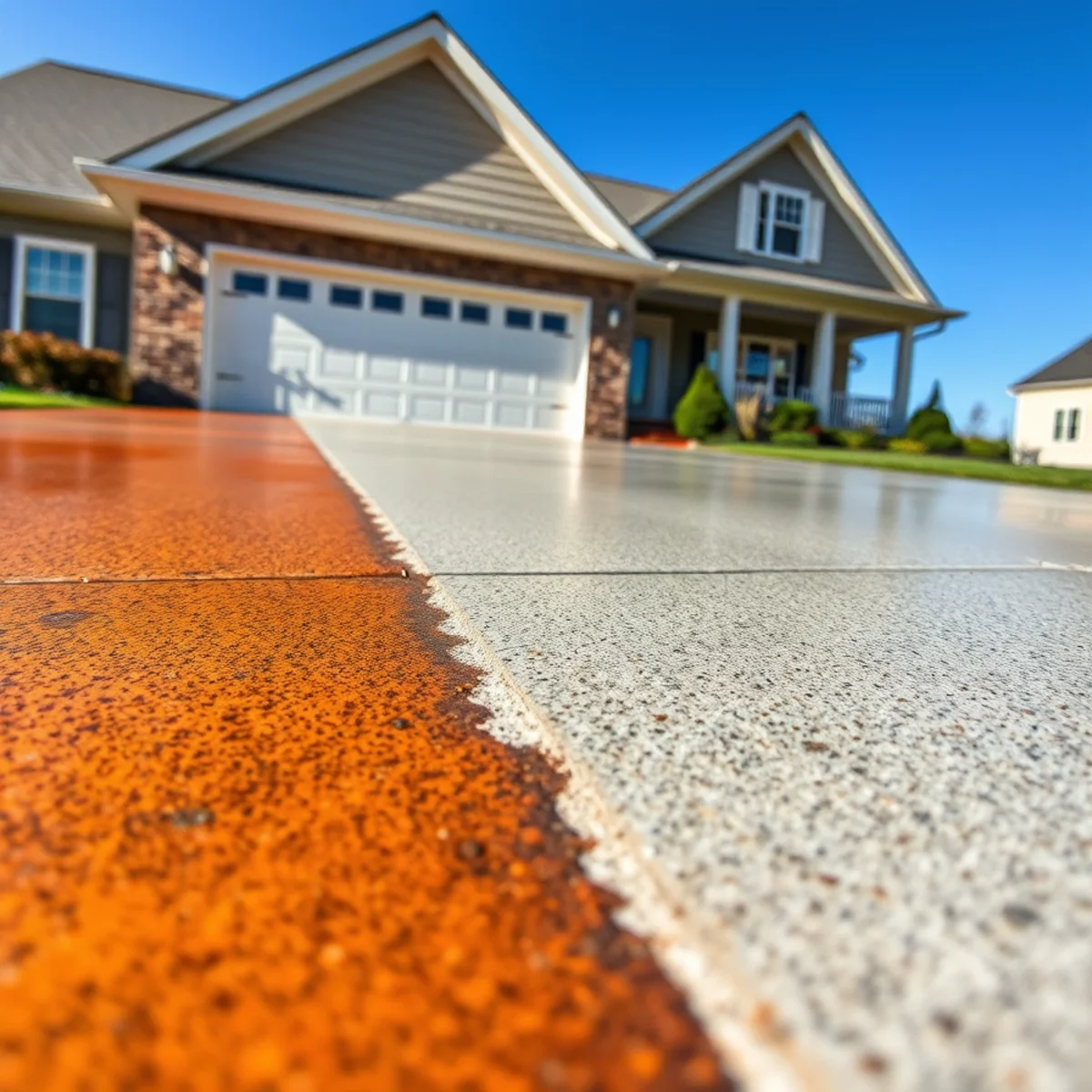
This is Piedmont country, and the local mess is predictable once you've washed enough houses here. Red clay is the big one — Dallas sits on iron-rich Piedmont soil, and that clay tracks across concrete drives, walkways and Main Street sidewalks, leaving an orange-brown stain that a garden hose won't touch. It's iron oxide, not dirt, and it needs the right treatment to lift.
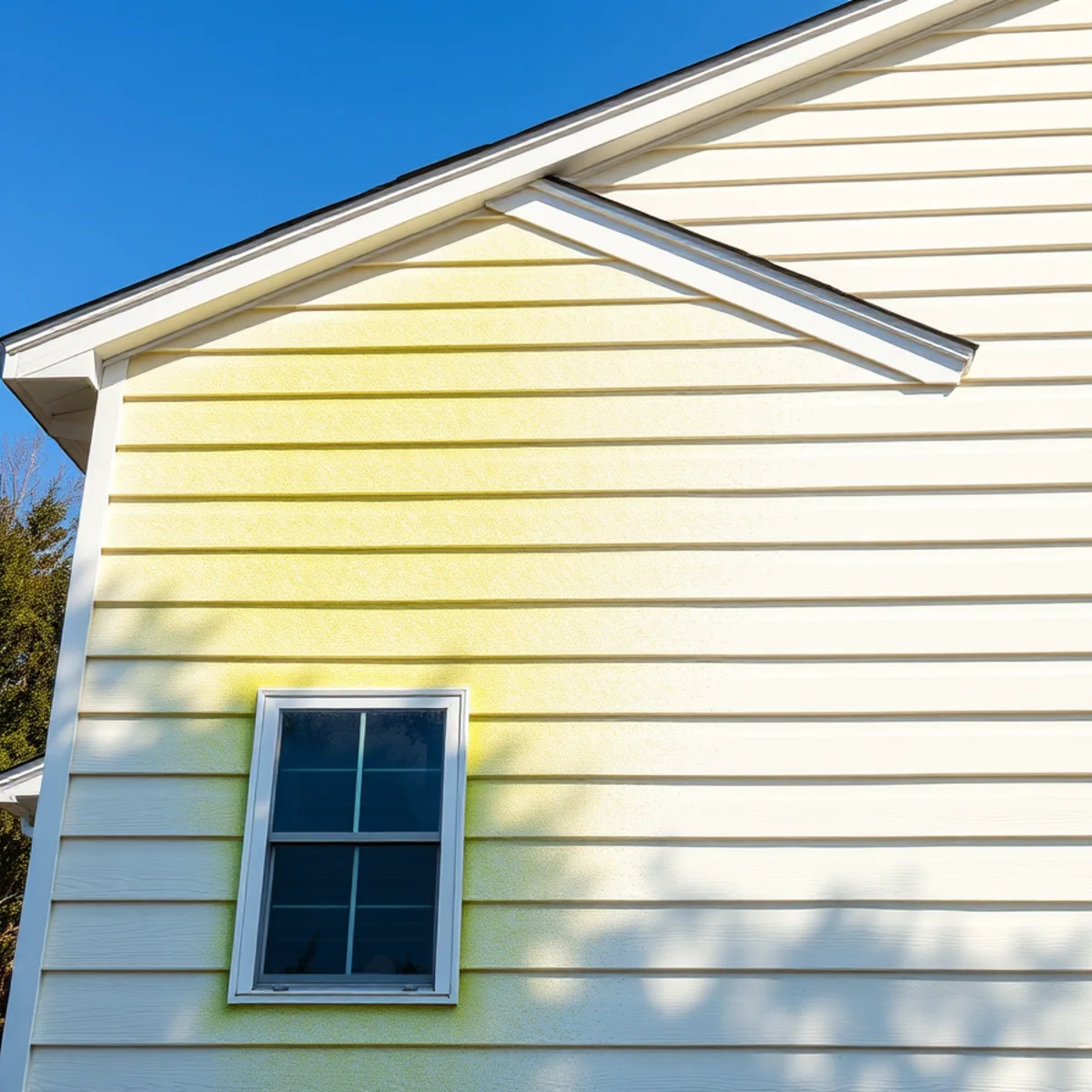
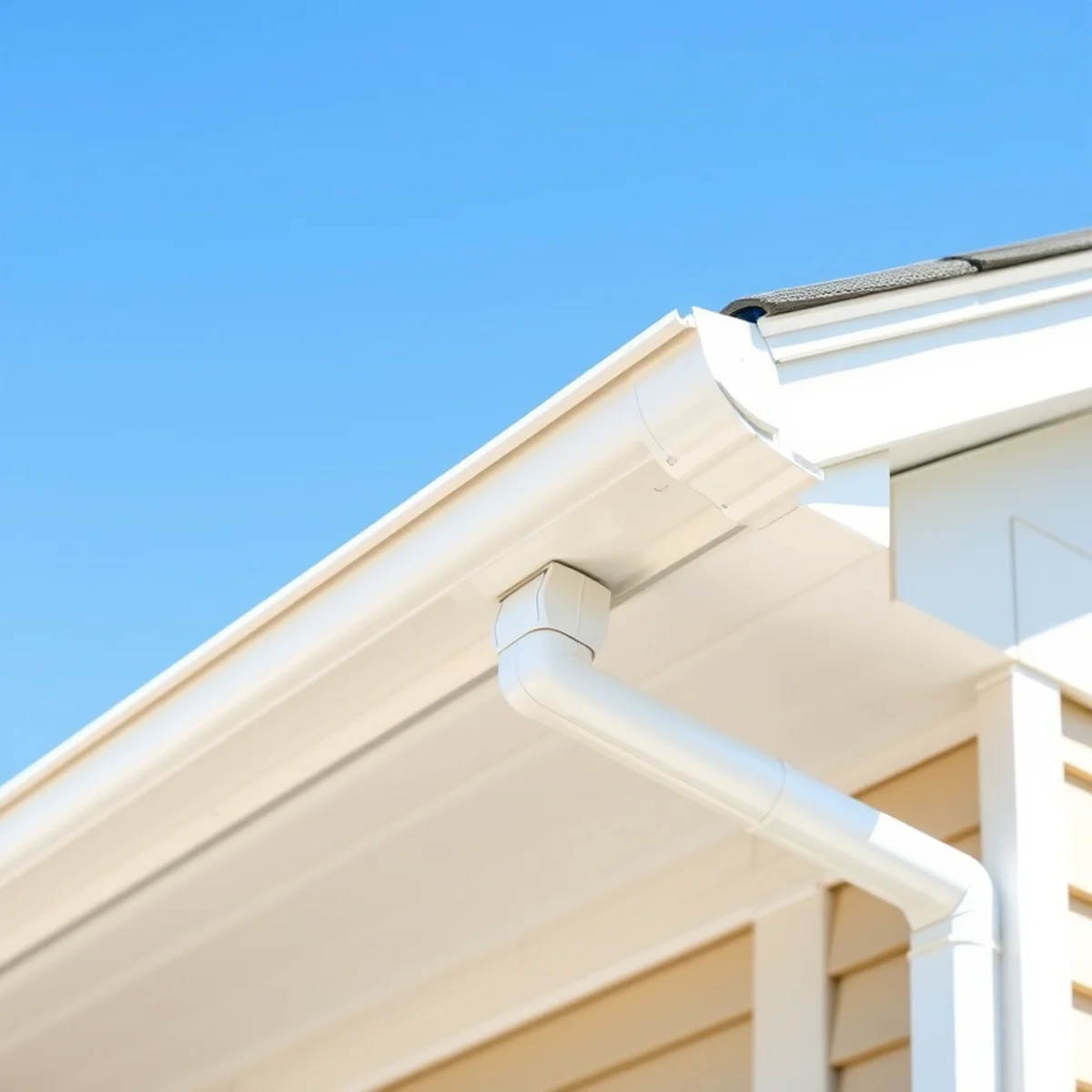
Then there's the humidity. Summers here are warm and wet, and that breeds organic growth on anything that stays damp. North-facing walls — the side that never sees direct sun — grow a film of green algae and mildew, especially on aged vinyl that's started to oxidize. Under Dallas's mature oak canopy, you also get pollen in spring, tree sap, spider webbing tucked into soffit corners, and wasp and mud-dauber nests behind shutters and gutters.
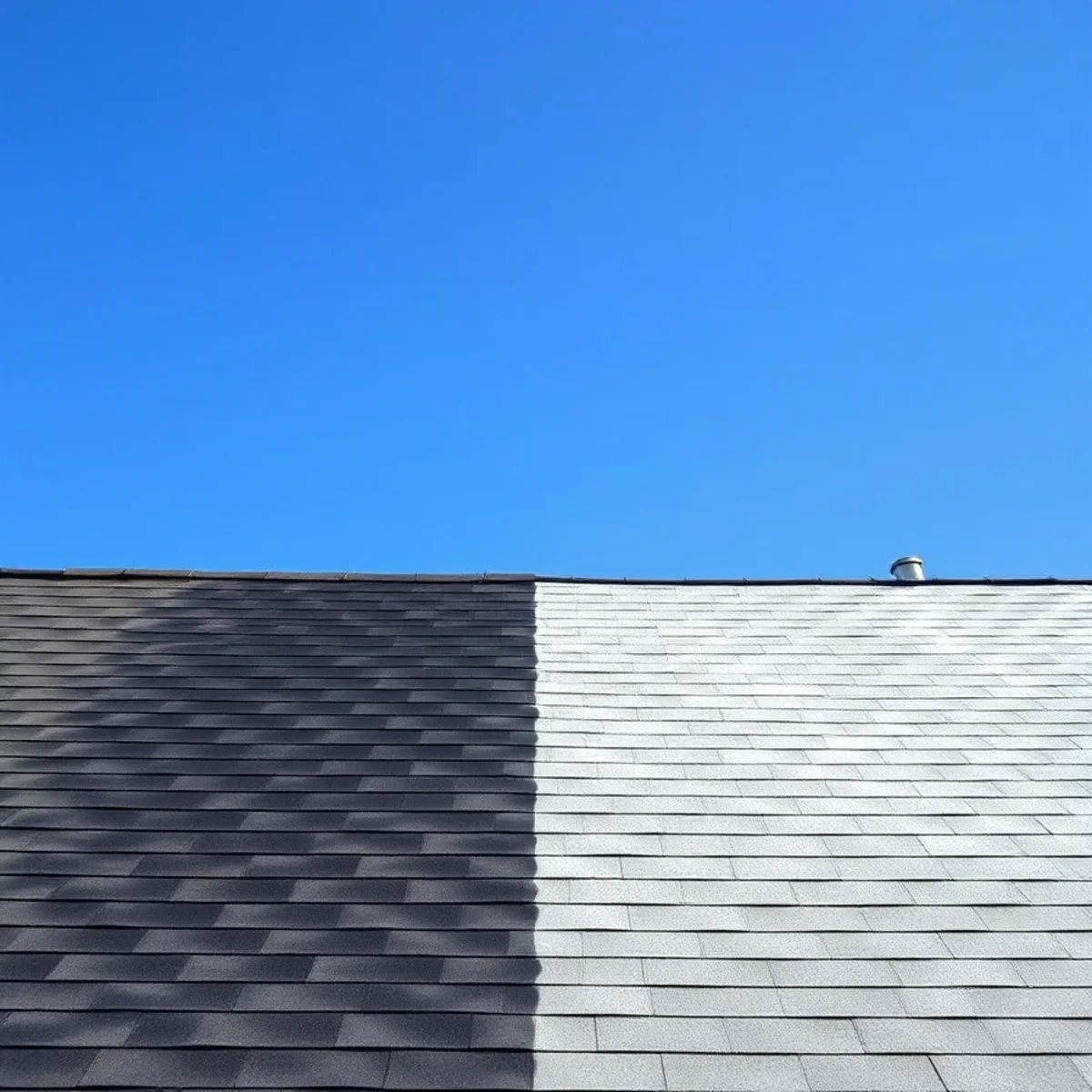
And up top, those dark streaks running down the roof aren't dirt or "wear." That's Gleocapsa magma, a blue-green algae that feeds on the limestone filler in asphalt shingles. The shadier, more humid streets in Dallas — anywhere with a heavy tree canopy — feed it best, which is why one house gets streaked while the neighbor in full sun stays clean longer.
Cleaning Historic Brick & Victorian Wood Without Wrecking It
This is where a local crew earns its keep, and where the templated competitors fall on their face.
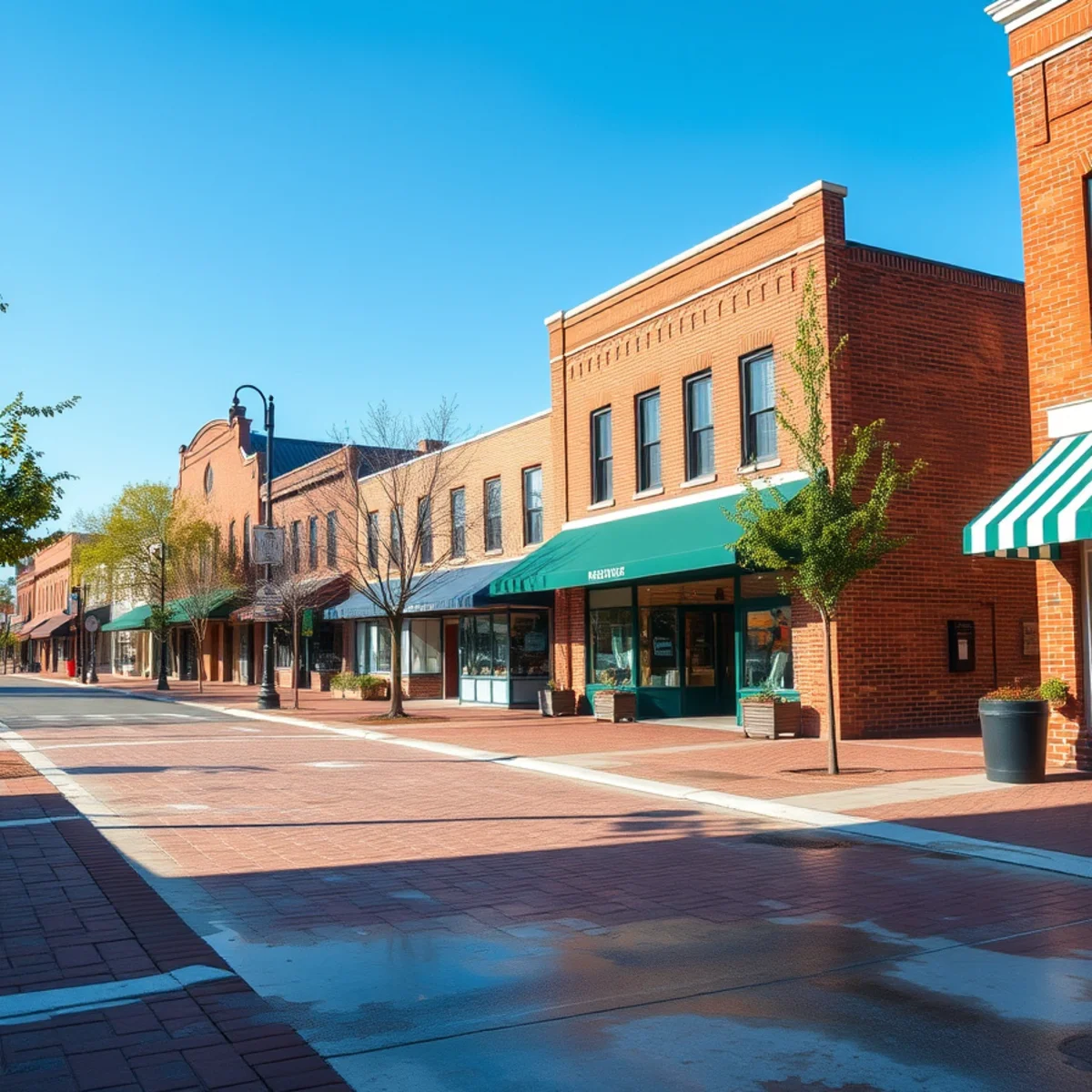
The brick on and around the courthouse square — those c.1843-1852 storefronts and homes — was laid up with soft lime mortar, not the hard Portland-cement mortar in a modern house. Hit that mortar with a turbo nozzle or high PSI and you don't just clean it, you erode it. You blow the joints out and turn a wash into a repointing job that costs a fortune and changes the character of the building. We never put high pressure on historic masonry. Period. We use a low-pressure chemical soft wash that kills the algae and lifts the grime while leaving the mortar and the brick face untouched.
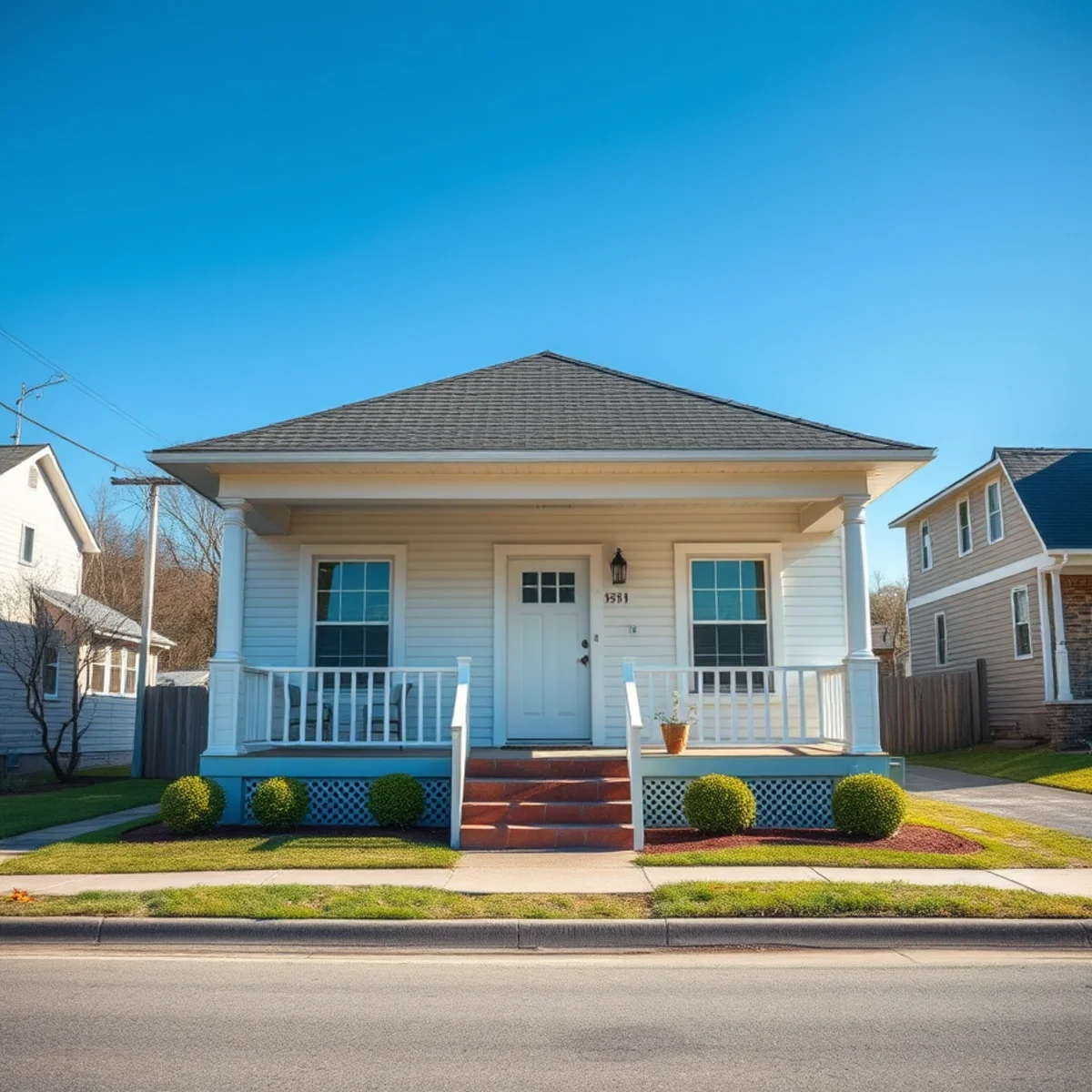
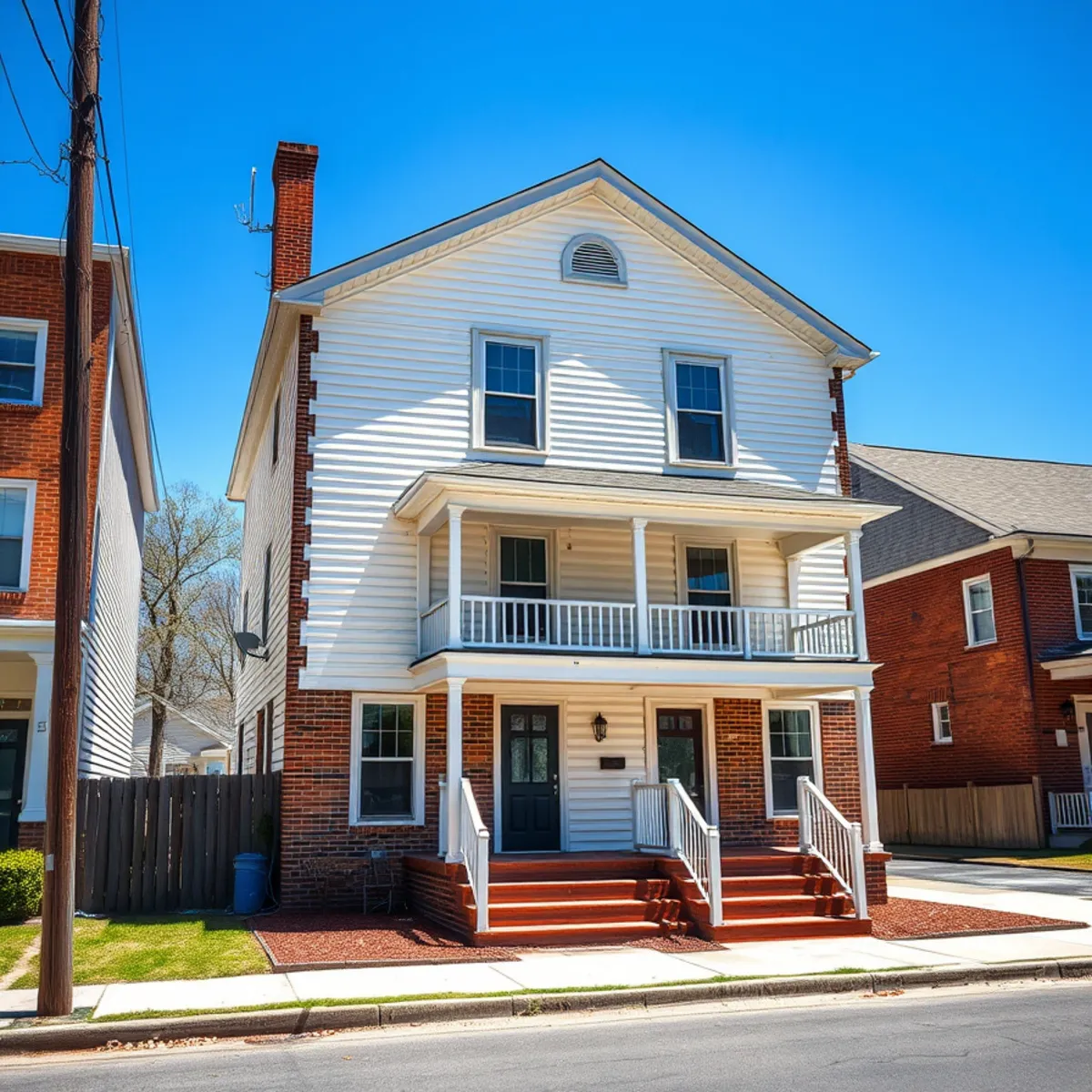
The same caution applies to the old painted wood siding on the Late Victorian and Craftsman homes — the ones over on North and South Oakland Street with the Period Cottage and Minimal Traditional lines. A lot of that paint is decades old, sometimes chalking, and pressure will strip it or drive water up under the laps. Ornate millwork, period porches, the detailed storefronts at the Rhyne Store and Setzer General Store — all of it gets a gentle, siding-safe wash by hand and low pressure, not a blast that takes the finish off with the dirt. If you own one of these places, you want a crew that treats it like the irreplaceable thing it is.
House Washing for the US-321 Subdivisions & Brick Ranches
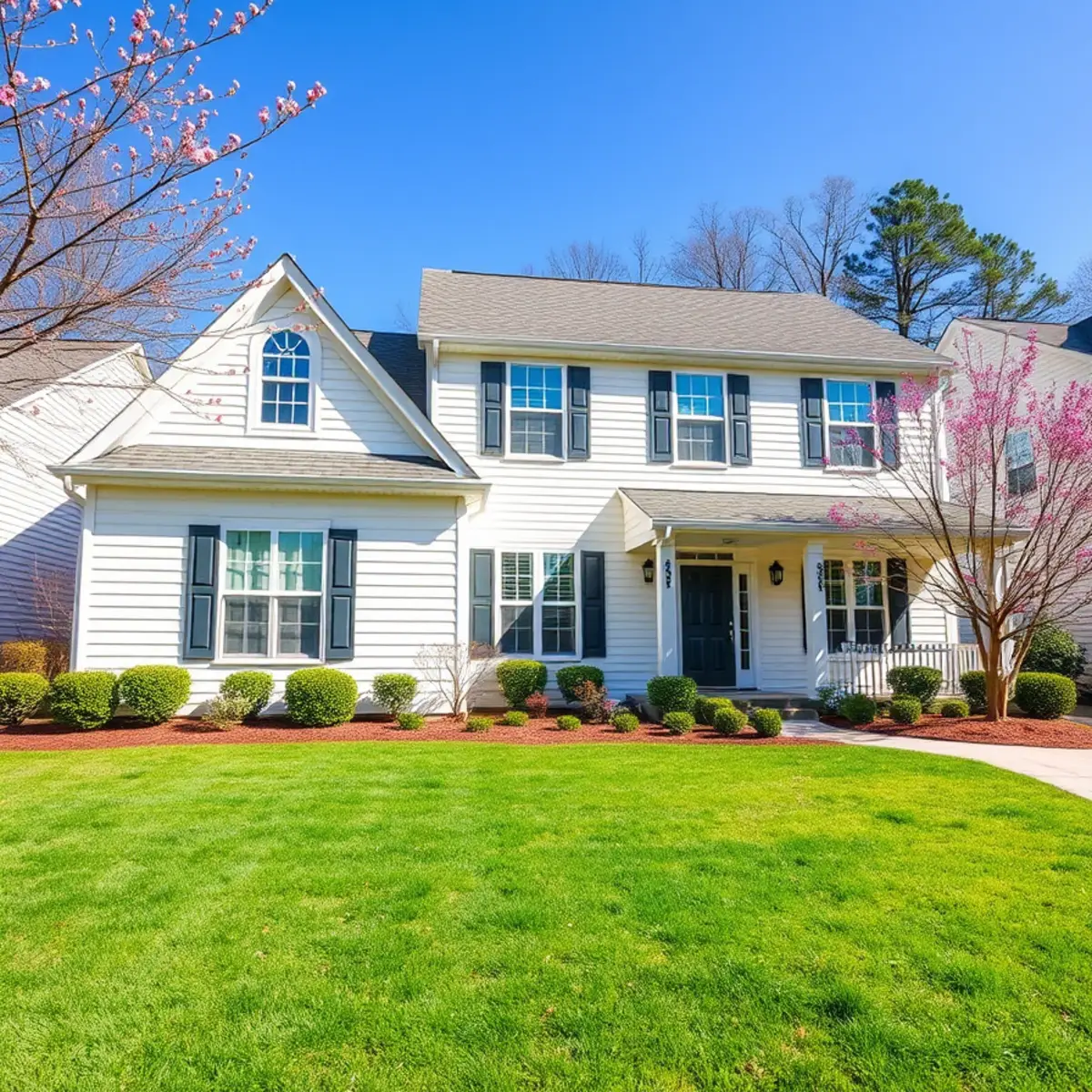
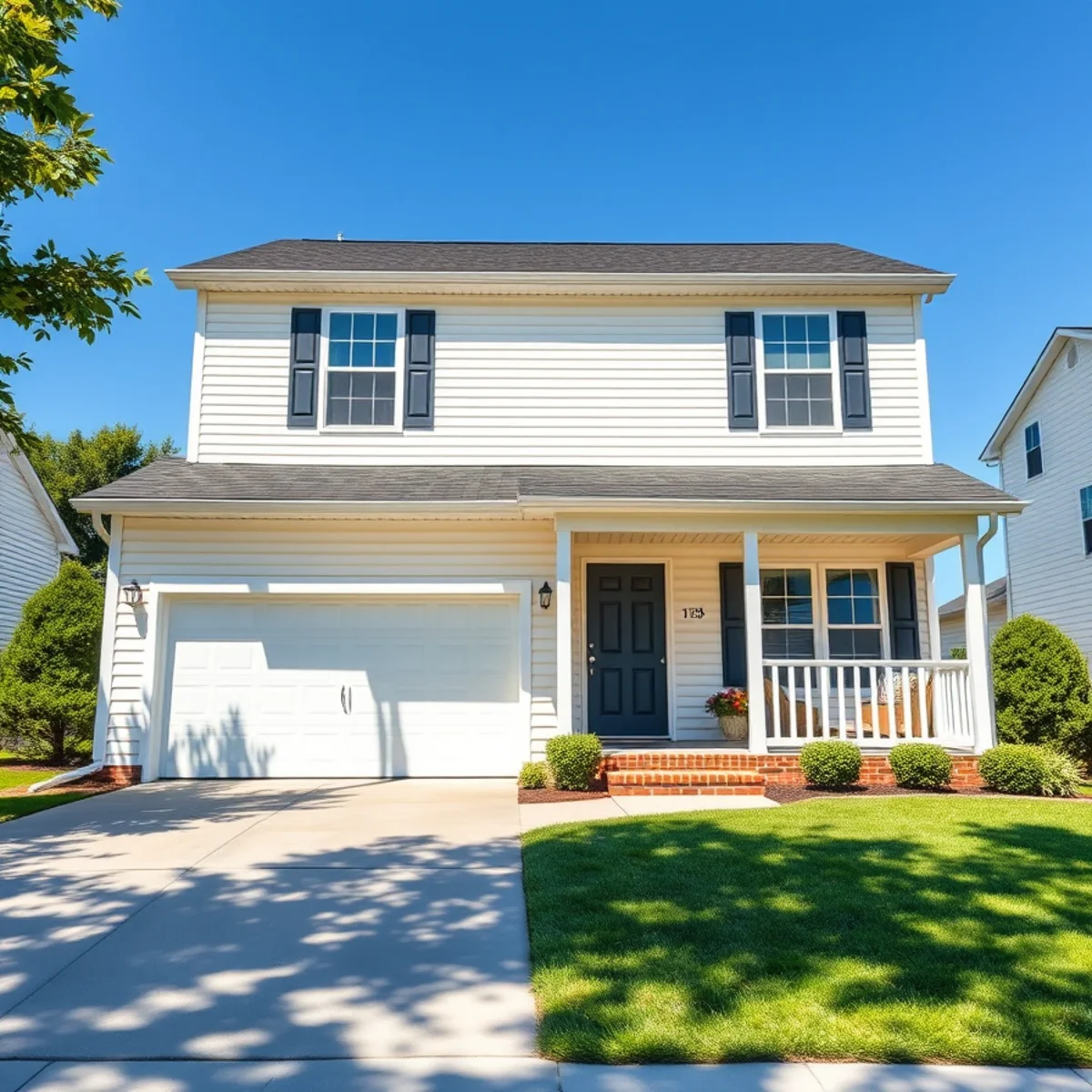
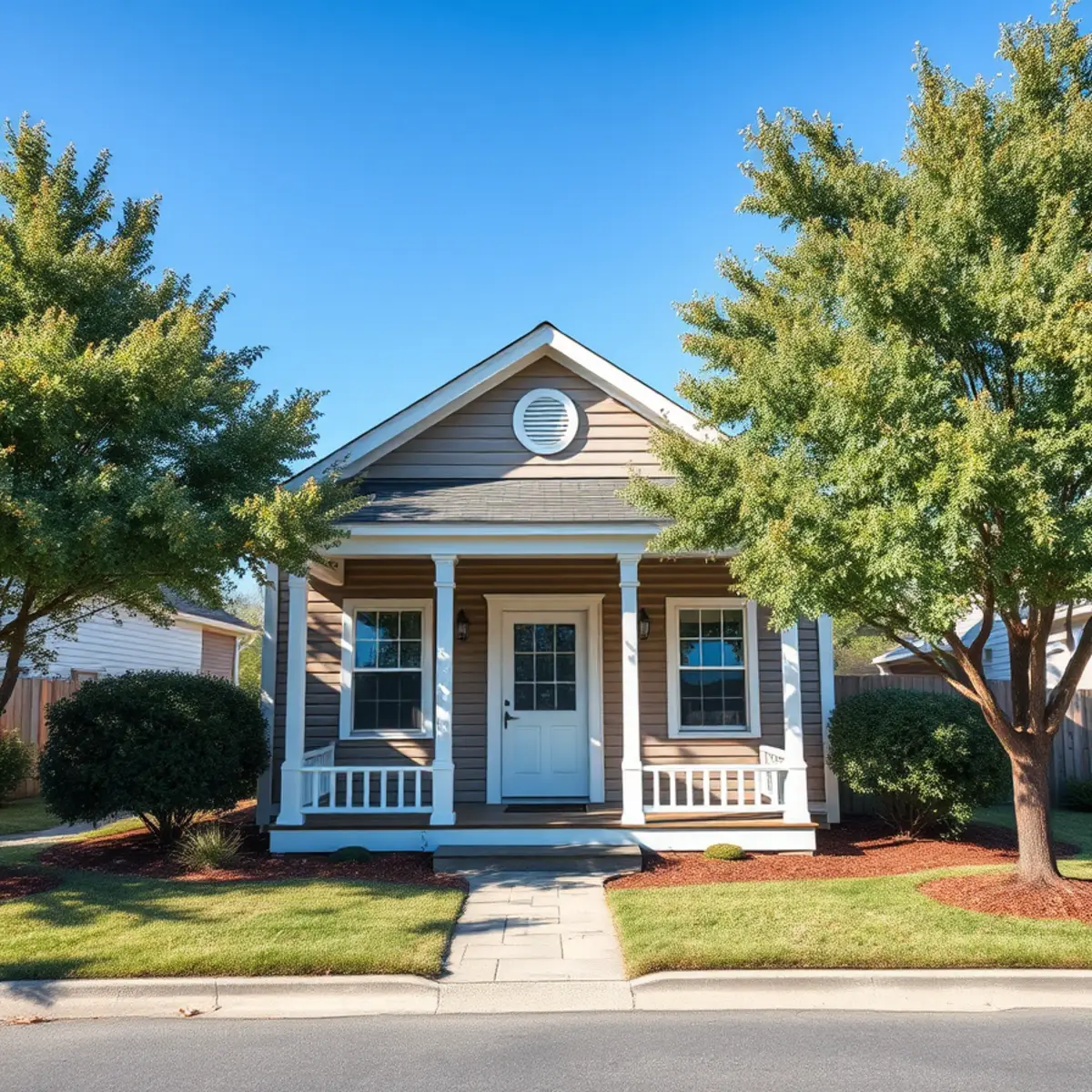
Out in the newer neighborhoods, the problem flips. Vinyl-sided homes in Rosewood Village, Summey Knoll, Eden Glen and Cloninger Ridge don't have soft mortar to worry about — they have oxidation and organic growth. The north and shaded sides green over with algae and mildew, the vinyl chalks and dulls as it ages, and the soffits collect pollen, cobwebs and nests.
A soft wash fixes all of it at once. The cleaning solution does the work, not the pressure, so we lift the algae and mildew at the root, rinse off the oxidation film, clear the spider webbing and wasp nests out of the soffits and shutters, and leave the siding looking close to new — without forcing water behind the panels.
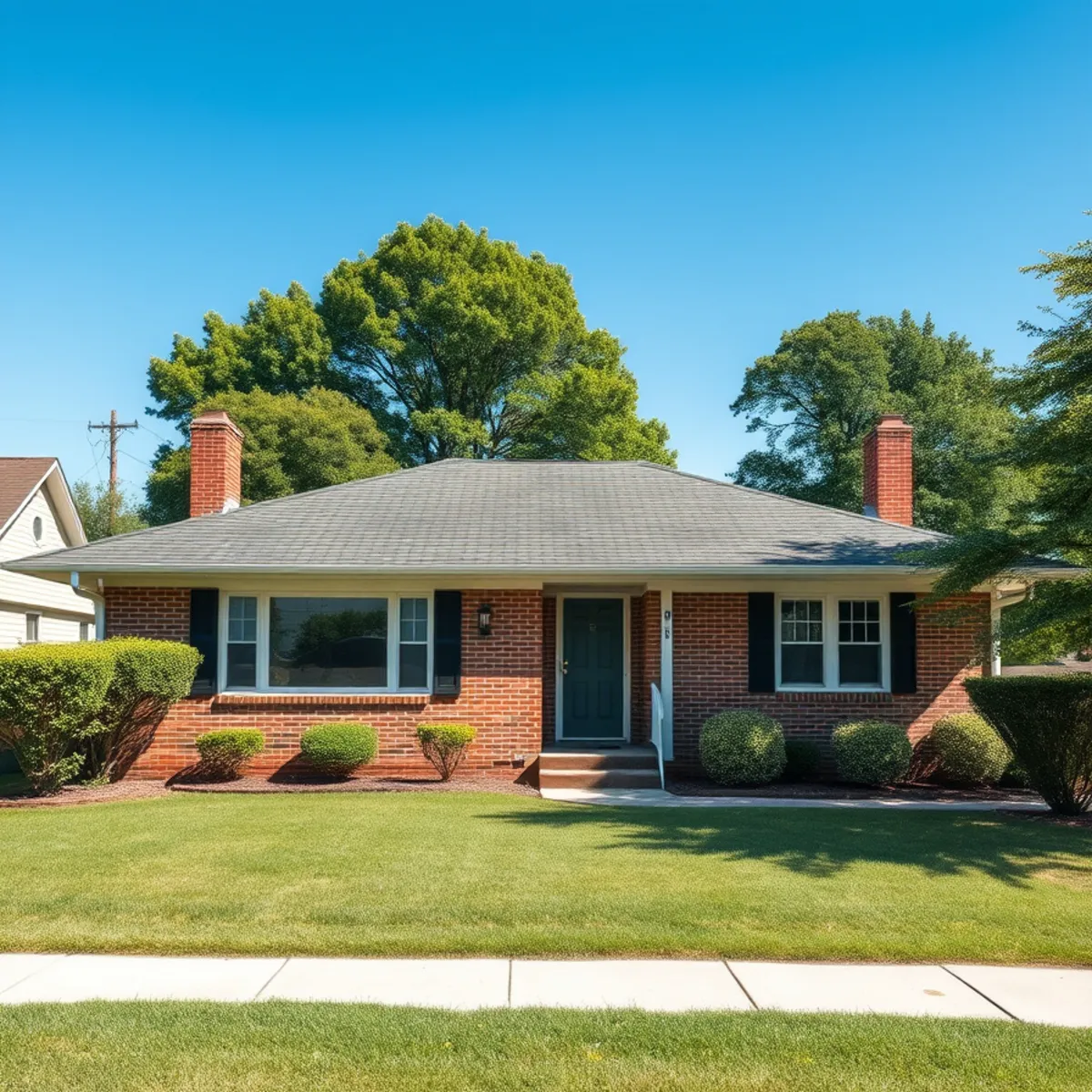
For the brick ranches and Craftsman bungalows that make up most of Dallas, a house wash brings back curb appeal fast, which matters more than ever now that Charlotte and Lake Norman commuters are buying into Dallas as an affordable bedroom town. A clean exterior is one of the cheapest things you can do before a sale. And in this Piedmont climate, an annual maintenance wash keeps the algae from ever getting a foothold, so it never comes back as hard.
Roofs: Lifting the Black Streaks the Safe Way
If your roof is streaked, the only right way to clean it is a no-pressure soft wash — a treatment that kills the Gleocapsa magma algae and lets it rinse and weather away, with no machine ever touching the shingle. Pressure washing a roof blasts off the protective granules, takes years off the roof's life, and in most cases voids the shingle manufacturer's warranty — which is exactly why we never do it and why DIY pressure on a roof is such an expensive mistake. Done right, a soft-wash roof treatment holds for years and pushes off a premature roof replacement, which is the most expensive thing on this list by a mile.
Concrete, Driveways & That Piedmont Red Clay
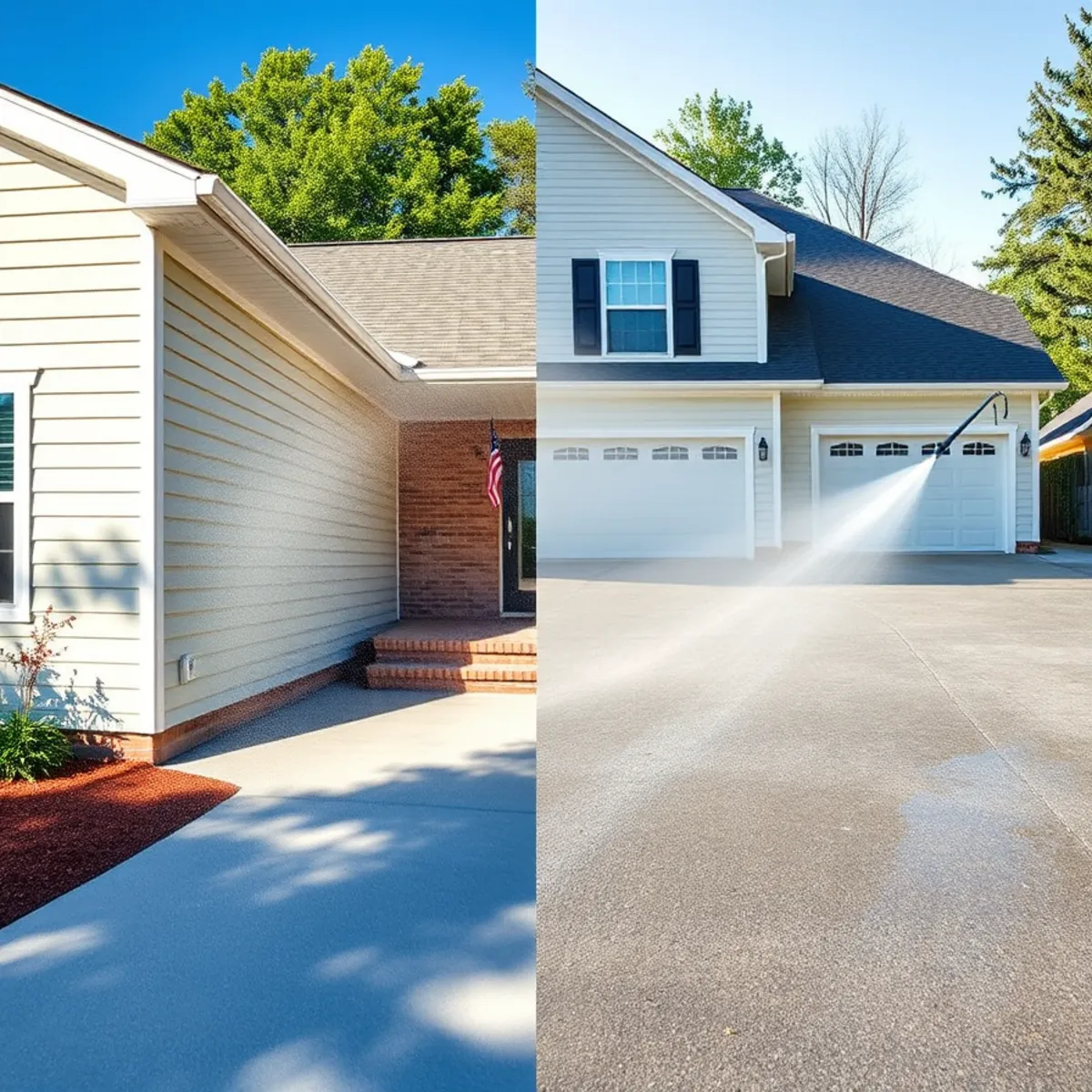
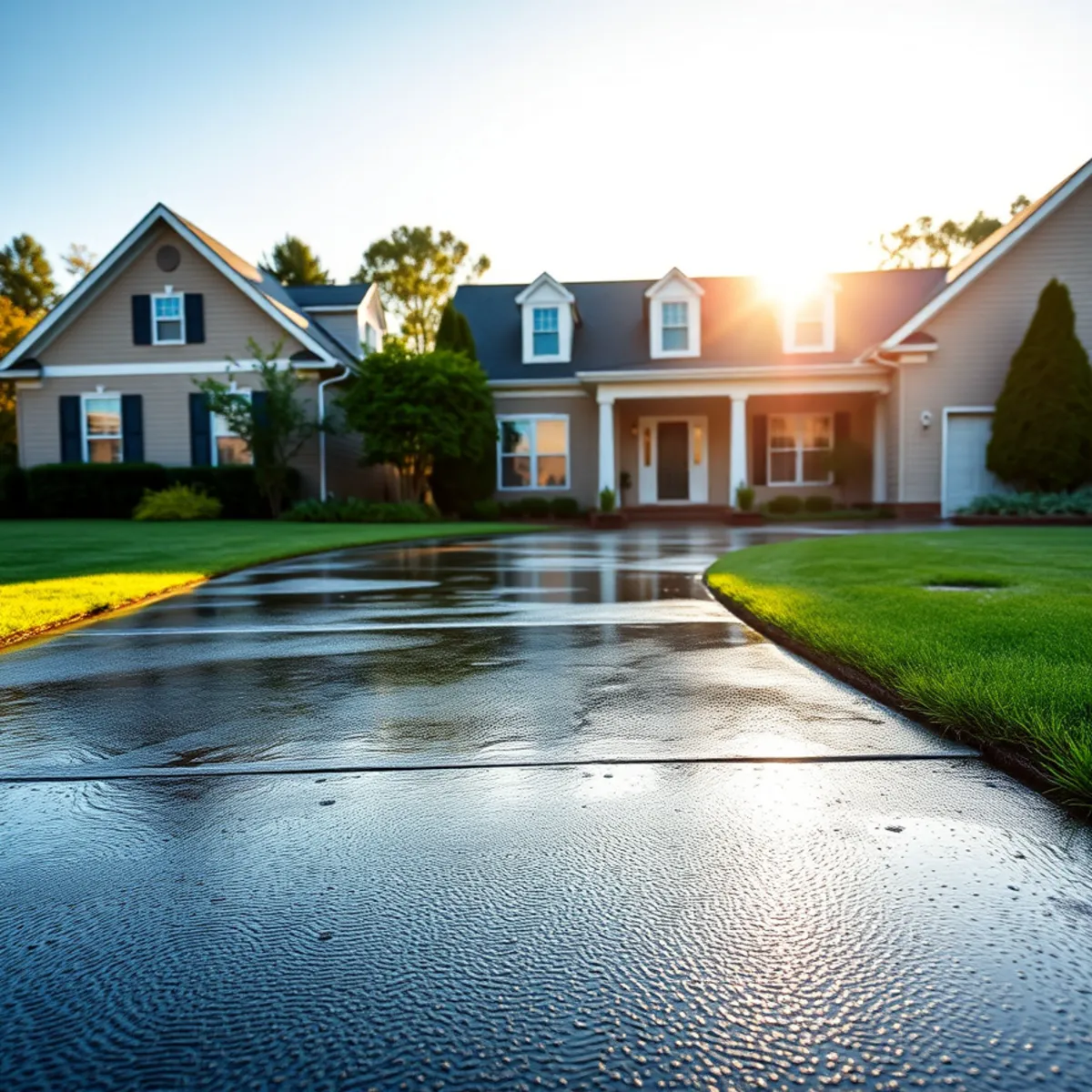
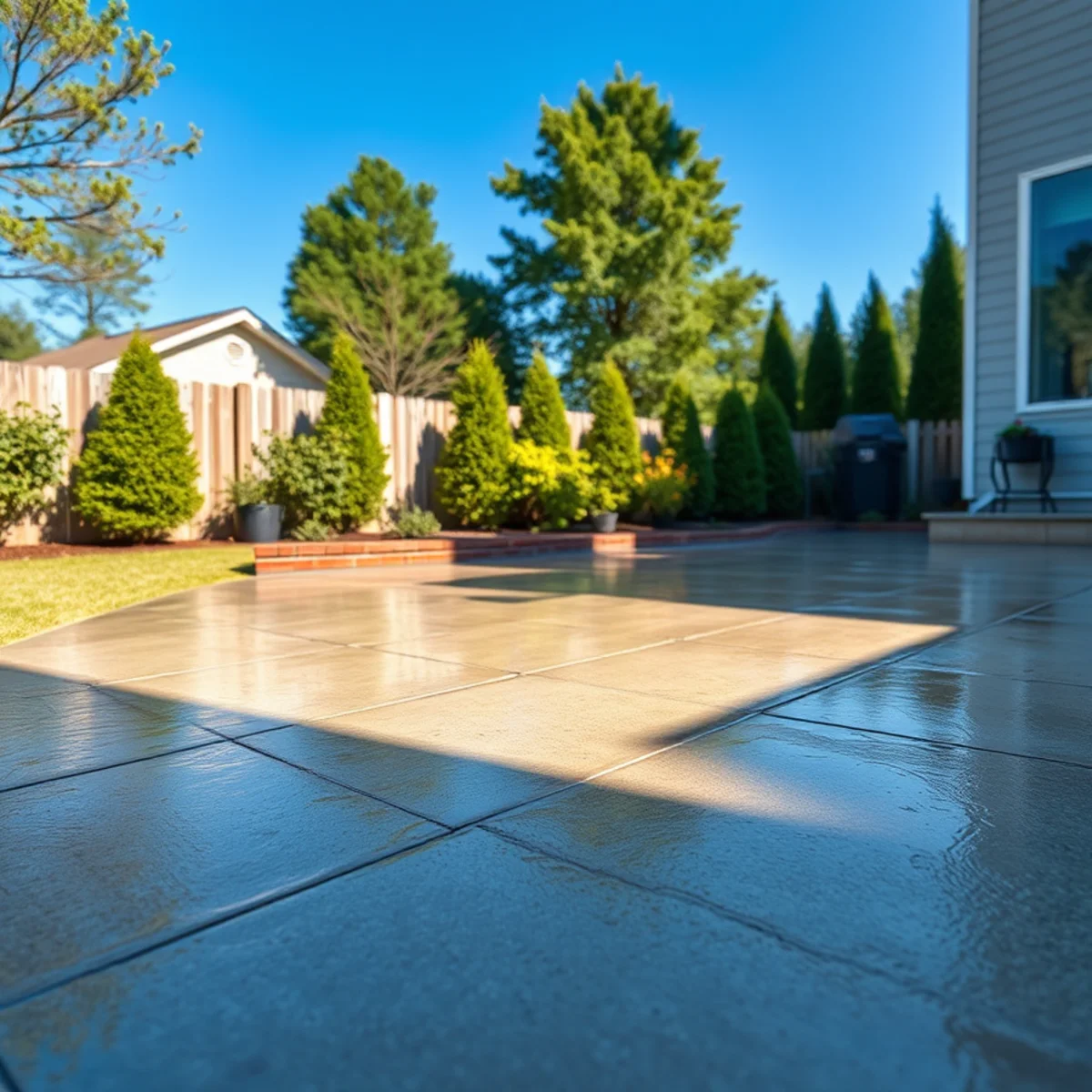
For the hard surfaces — concrete drives, walkways, patios, brick pavers, dumpster pads — now we bring out the pressure, paired with a rotary surface cleaner that gives an even, stripe-free finish instead of the zebra stripes a wand leaves behind. That machine is what cleans a Dallas driveway or a Main Street sidewalk evenly end to end.
This is also where we tackle the red clay staining that's everywhere here, plus oil drips, rust, tire marks and the black organic film that builds up on shaded concrete. For pavers and stamped concrete, we can talk through sealing after the clean to help the surface shed the next round of clay and grime longer.
Storefronts & Commercial Around the Square
Downtown Dallas businesses on and near the courthouse square — the brick storefronts, restaurants and offices — stay presentable with regular sidewalk, awning and dumpster-pad cleaning and gum removal. The brick gets the same gentle soft-wash treatment as the historic homes, because it's the same soft mortar. We also handle the Gaston College-area commercial buildings out on US-321 and the retail along the 321/I-85 crossroads. For storefronts, we schedule early-morning or after-hours so your customers never see a hose, just the clean result when the doors open.
We're licensed, insured, locally based, and we know Dallas — Cloninger Park, Dallas Park and Heritage Village, the square, Gaston College, the streets off 321 — because we work here, not because a service map told us the 28034 ZIP exists. If your siding's gone green, your drive's stained red, your roof's streaked, or you've got a historic place that needs a gentle hand, call Hydro Jet PW at +1 (351) 242-0666 for a free, no-pressure on-site estimate. We serve Dallas and the rest of Gaston County, usually with same-week scheduling — neighbor to neighbor.
 Concrete & Driveway Cleaning