When the red clay splashes up the bottom three feet of your siding and the north wall of the house turns green every summer, you want a crew that actually knows Cherryville, not a truck driving out from Charlotte with a generic price. We wash homes all over Cherryville, NC (28021) and across Gaston County every week, from the brick and clapboard mill houses off Main Street to the newer subdivisions out toward NC-274. We know the surfaces here, the dirt that sticks to them, and how to get it off without tearing up old mortar or original paint.
Why Cherryville Homes Get Dirty the Way They Do
Cherryville sits on iron-rich Piedmont red clay, and that clay is the signature stain we fight in this town. Every hard rain kicks soil up against your foundation, lower siding, and brick, and the iron oxide in that clay soaks into the pores and dries into orange-red streaks. A garden hose won't budge it, and a lot of homeowners think it's permanent. It isn't. It takes the right detergent chemistry to break the iron's grip on the surface, and that's a different job than just blasting it with water.
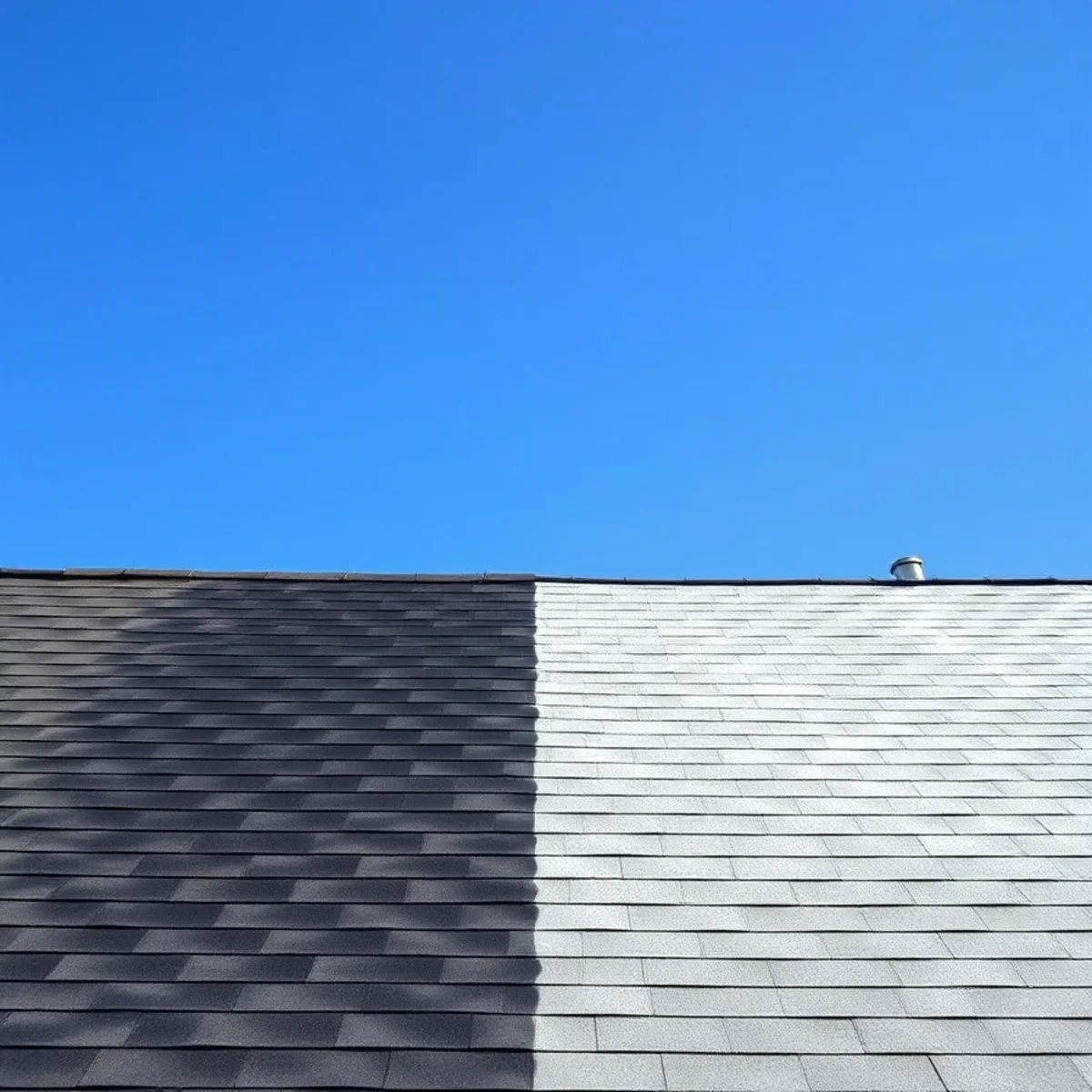
On top of the clay, our humid Gaston County summers grow algae and mildew fast. Those black streaks running down your roof are gloeocapsa magma, a hardy algae that feeds on the limestone filler in asphalt shingles and loves our shaded, tree-canopied lots. The older streets near Ballard Park over on Guffey and Rudisill, and the established neighborhoods around downtown, sit under heavy oak canopy that keeps walls damp and shady. That's why the north-facing side of so many Cherryville homes goes green-black while the sunny side still looks clean. Add the yellow Piedmont pollen film every spring that packs into siding seams and holds moisture, and you've got a recipe that turns a clean house dingy within a year or two.
For most homes here, an annual soft wash keeps all of that in check. If you're on a heavily shaded lot or one of the older mill-village streets where the houses sit close under big trees, you may want us back a little sooner. We'll tell you straight what your particular house needs when we look at it.
Washing the Old Mill-Village and Historic Homes
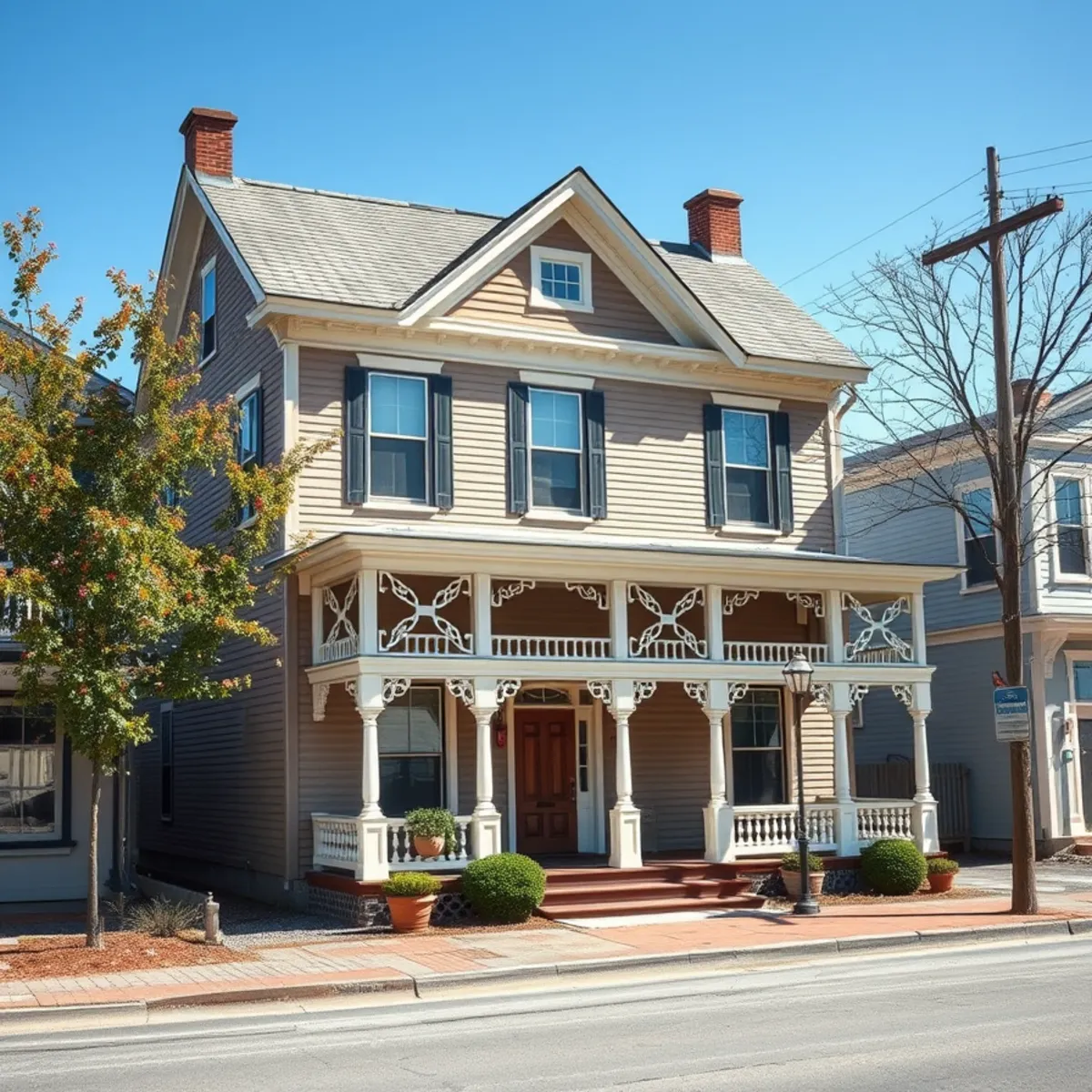
Cherryville was built on cotton and yarn. Thirteen mills once ran here, and the names still mean something around town: Carlton Yarn Mills, Rhyne-Houser, Gaston Manufacturing that became Dora Yarn, Melville that became Burlington's Pinnacle plant, and Vivian, the one everyone called "Old Sardine." The brick and clapboard homes those mills built are still lived in all over the older neighborhoods, and they need a careful hand.
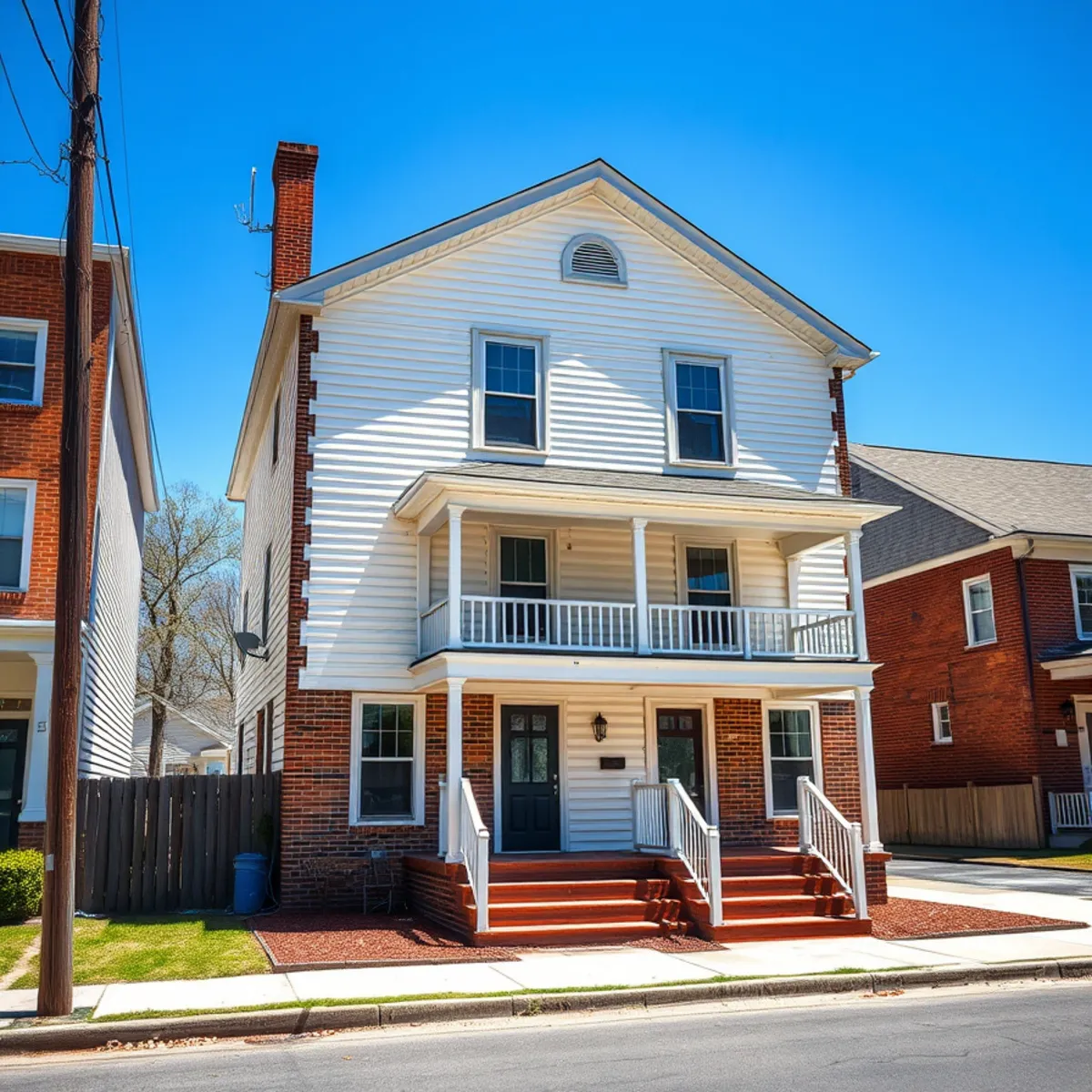
These are early-1900s houses with original wood siding, painted trim, real porches, columns, and aging mortar joints. High pressure is the wrong tool for every bit of it. Crank a pressure washer up against old lap siding and you'll force water behind the boards; aim it at a hundred-year-old mortar joint and you'll wash the mortar right out. We don't do that. We use a low-pressure, detergent-based soft wash that lifts the algae, clay, and grime off the surface and rinses it away gently, so the paint stays put and the water stays where it belongs. Around the Main Street historic district, the 1911 City Hall that's now the Cherryville Historical Museum, and the homes near downtown, that paint-safe, mortar-safe approach is the only way we'll touch them. It's restoration-minded cleaning that respects the character of these houses instead of beating it up.
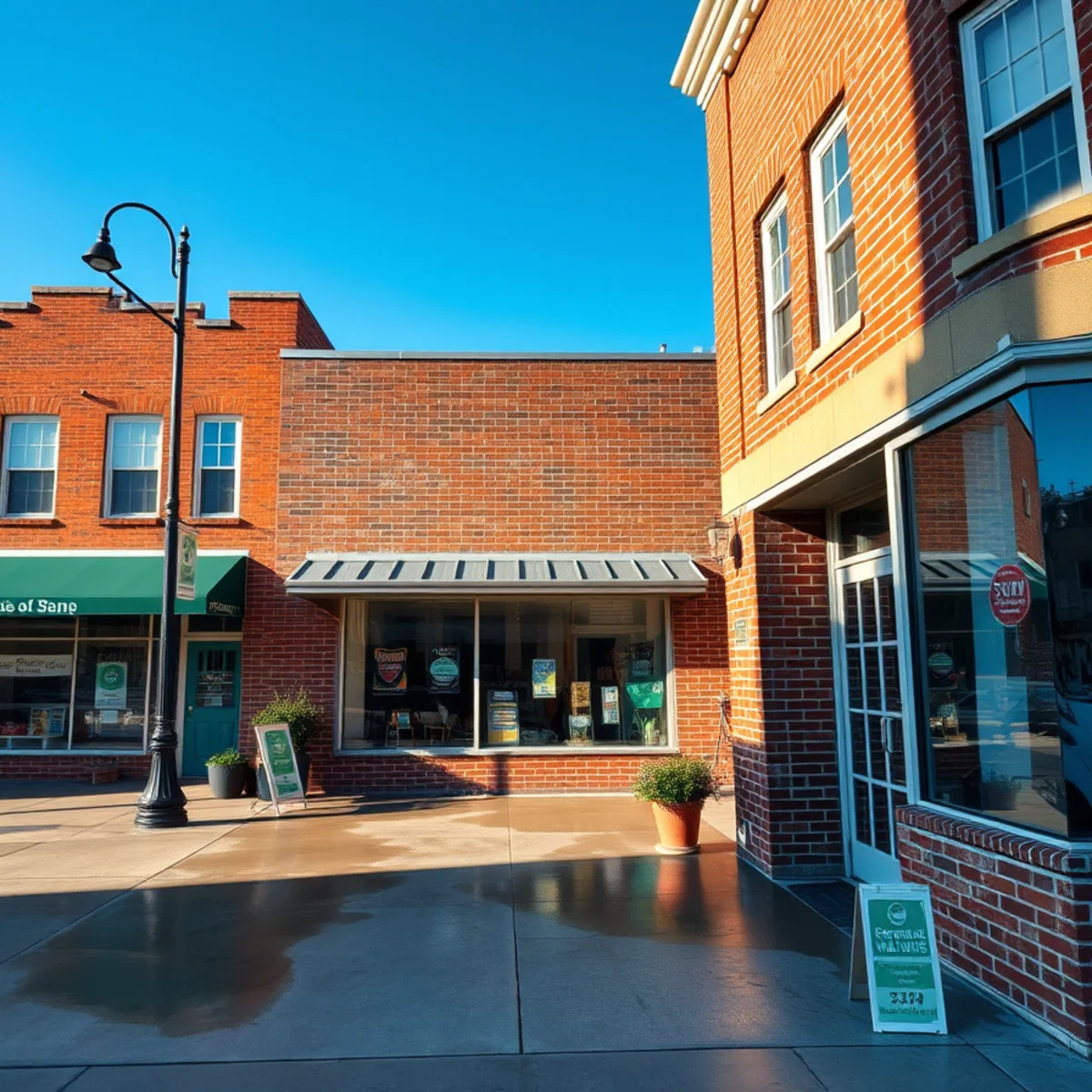
The same care applies to the porous old brick downtown. Soft, shaded, hundred-year-old brick drinks up moisture and grows mildew deep in the pores, and the fix is chemistry that kills the growth, not raw PSI that erodes the face of the brick.
House Washing, Newer Subdivisions, and Modern Siding
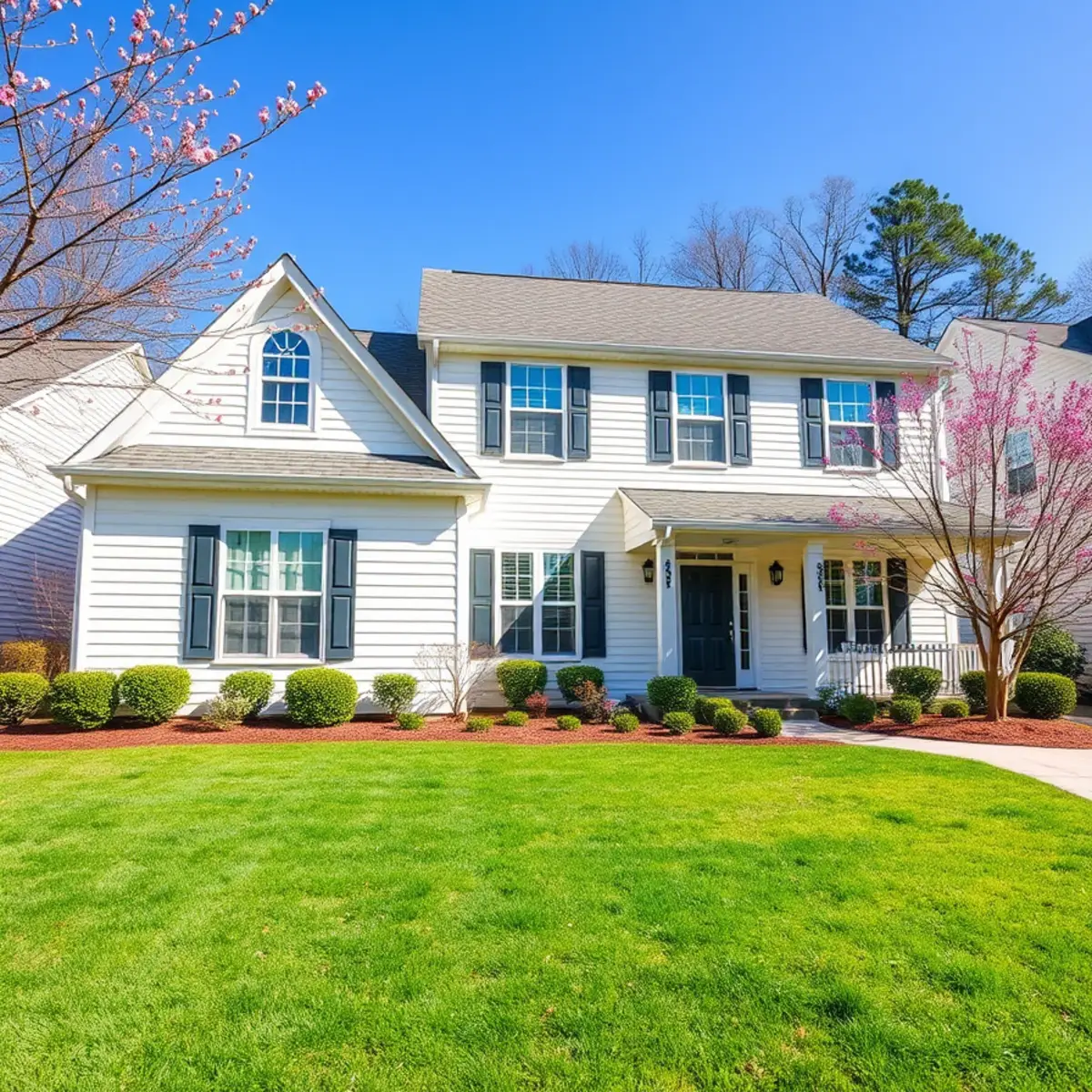
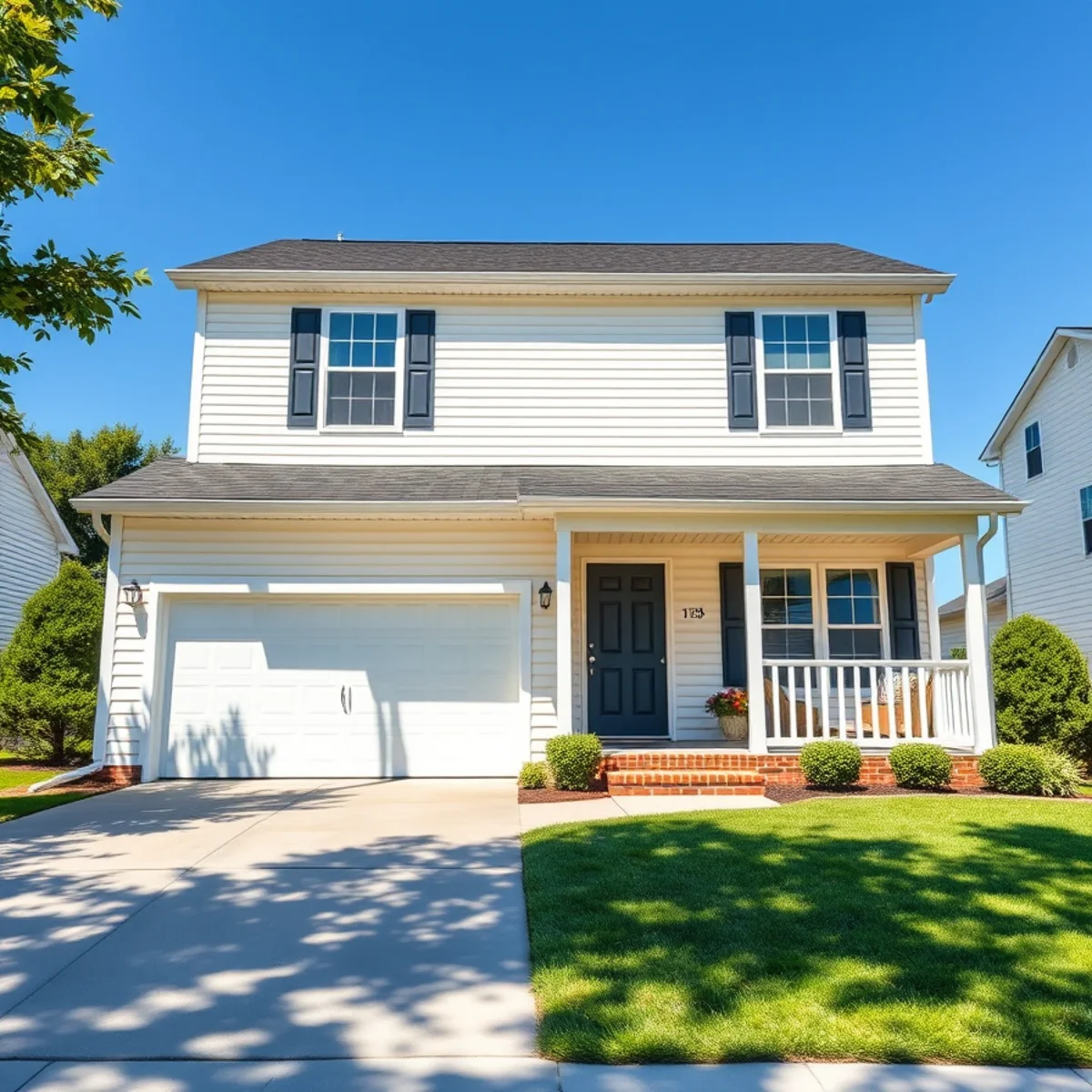
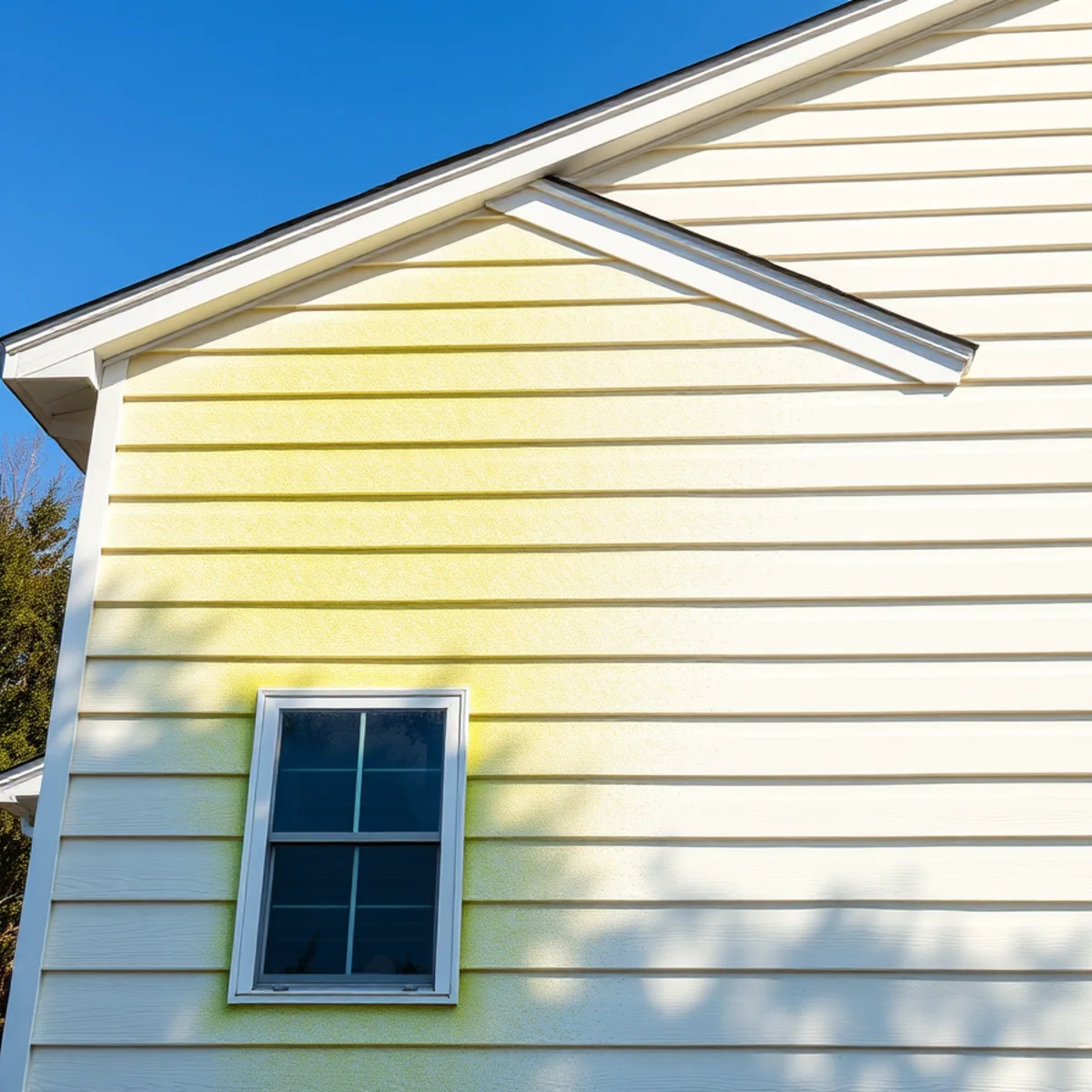
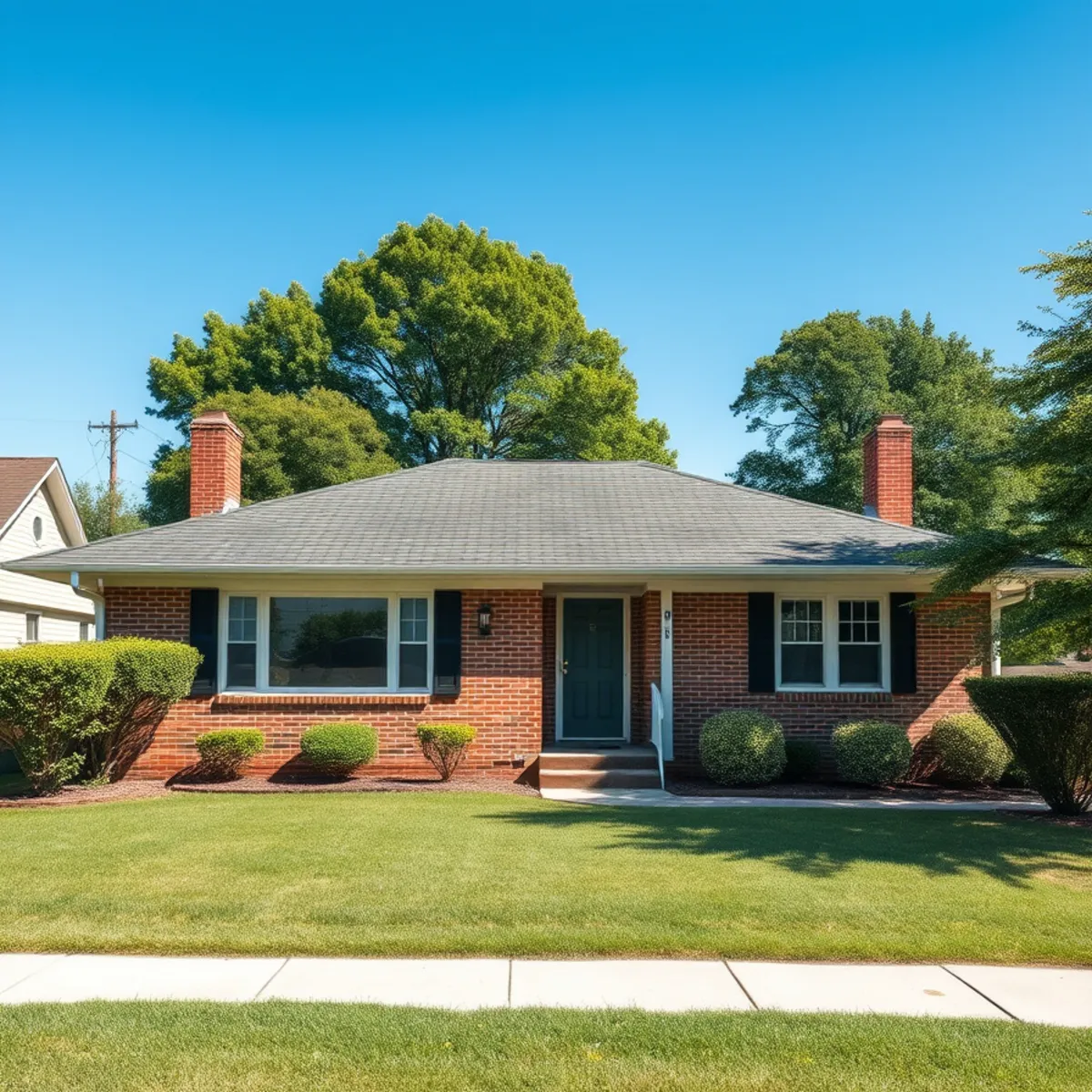
Plenty of Cherryville's homes are newer too. The subdivisions like Calico Creek, Parker Place Estates, and Deerfield out in the 28021 zip are full of vinyl and Hardie fiber-cement siding, and those get washed the same gentle way for a different reason. Vinyl gets chalky and traps that green algae film in the texture; high pressure can crack it, dig lines into it, or blow water up under the laps and into the wall. We soft wash it, and it comes back bright without any of that risk. Aluminum siding on the mid-century houses around town cleans up the same way.
Whatever the siding, the goal is the same: kill the algae and mildew at the root so it stays gone for the season, lift the red-clay splash-back off the bottom courses, and leave the whole wall even and clean instead of streaky.
Driveways, Concrete, and Carports
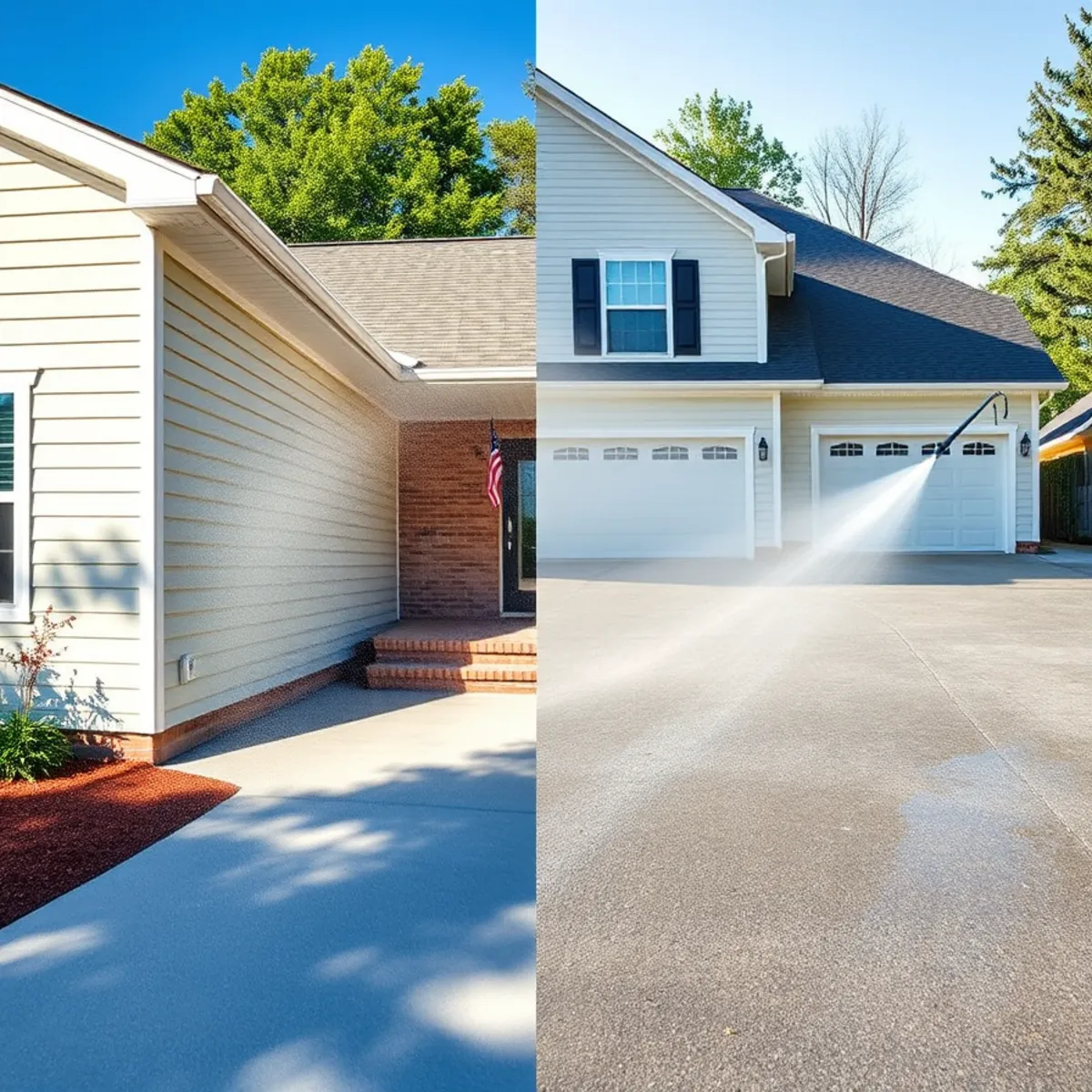
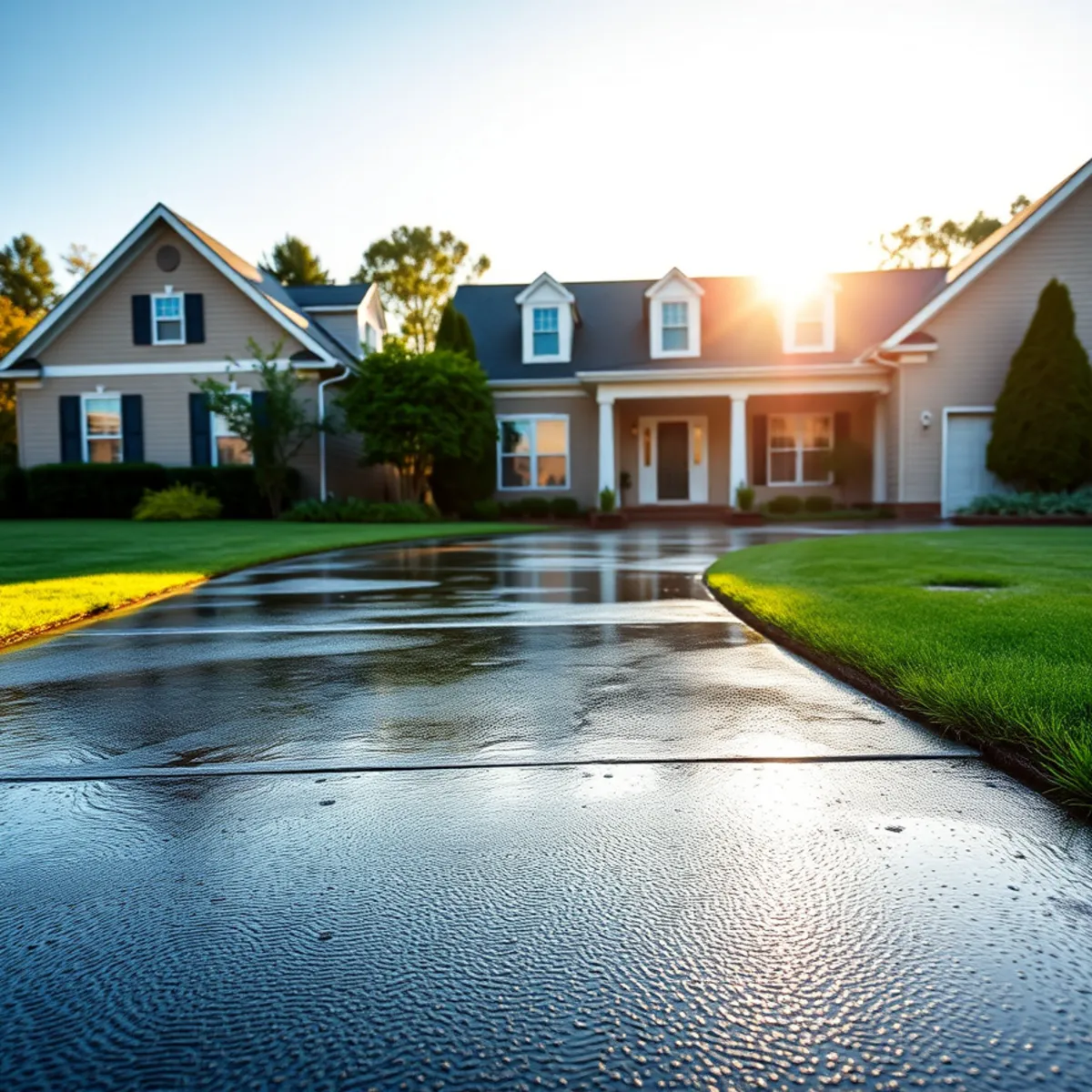
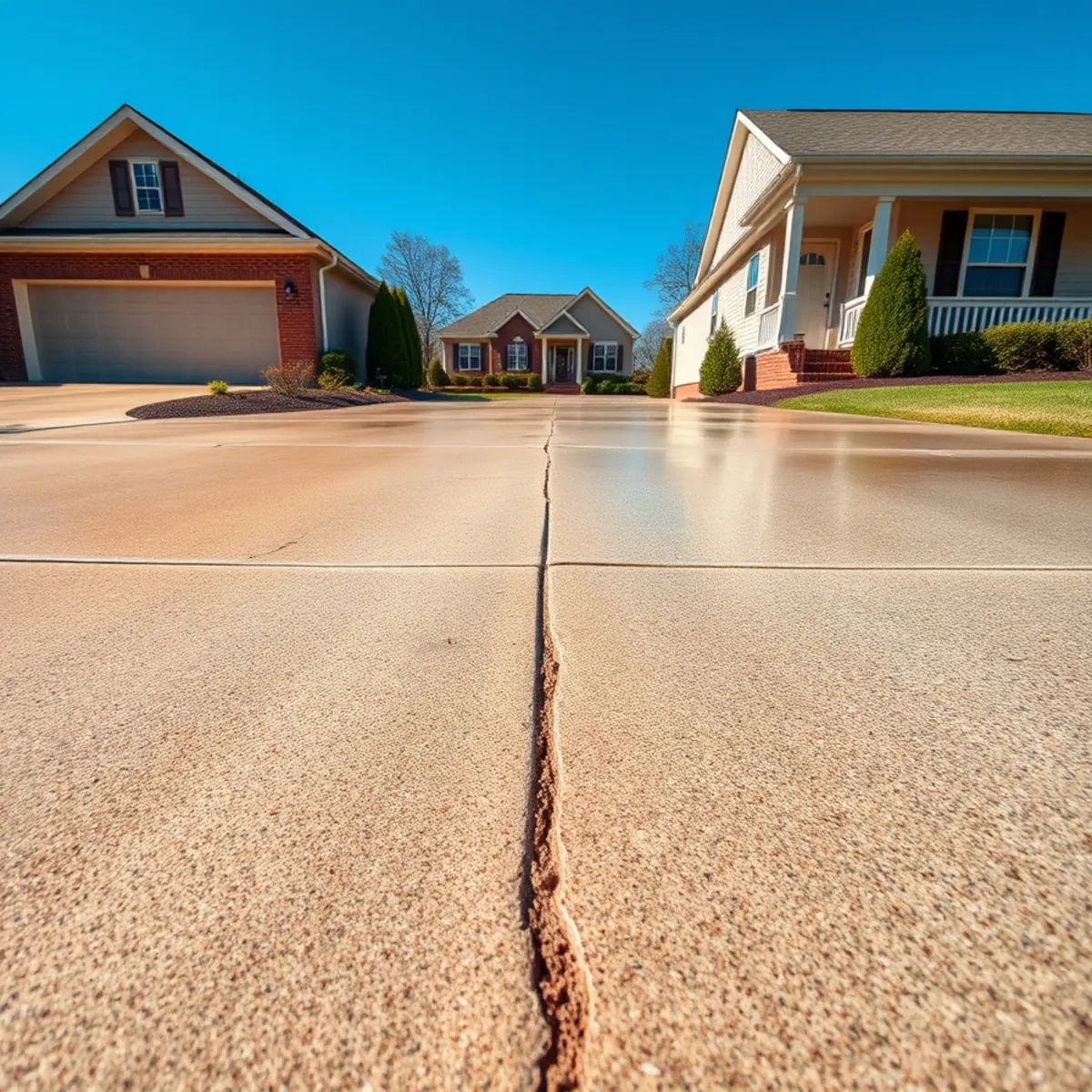
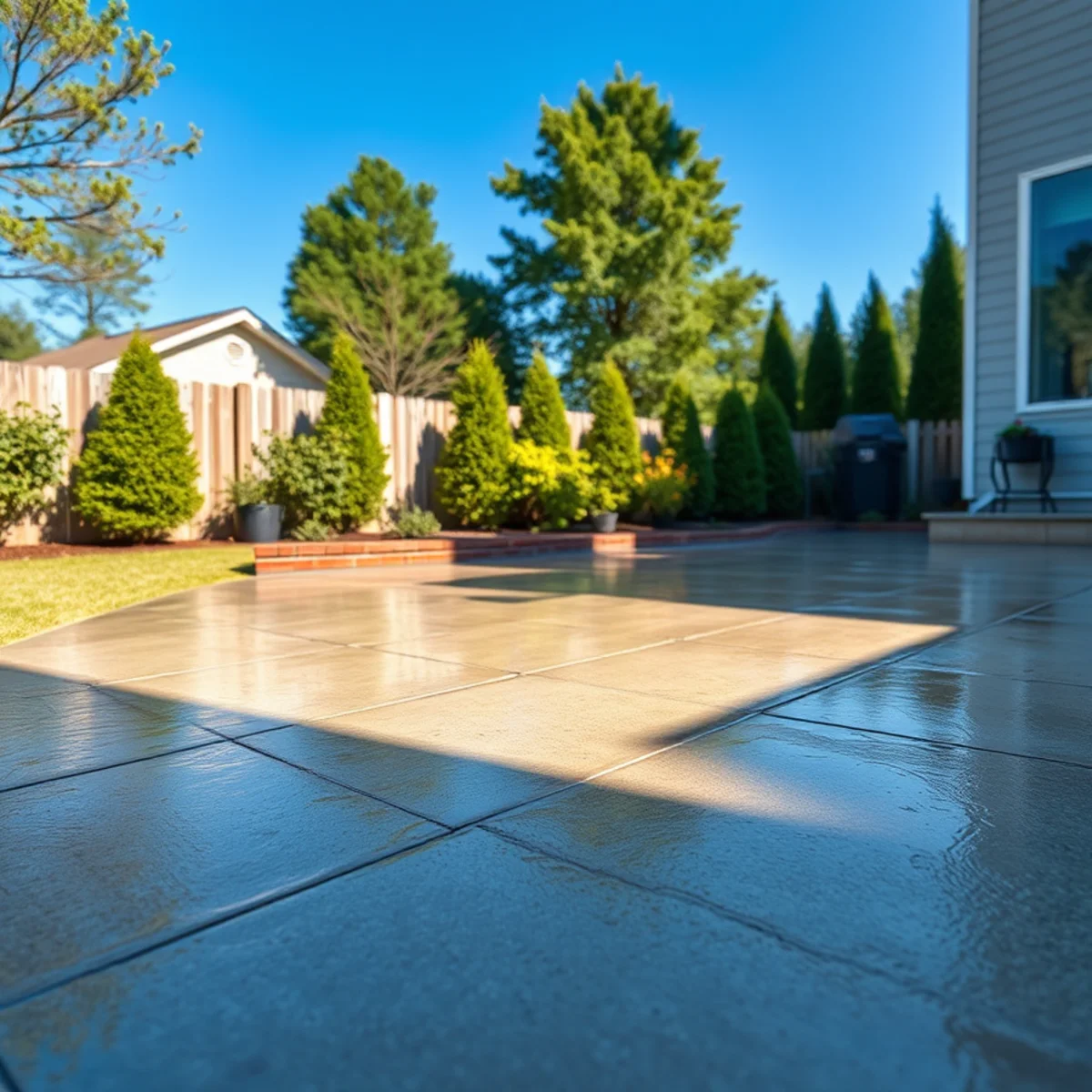
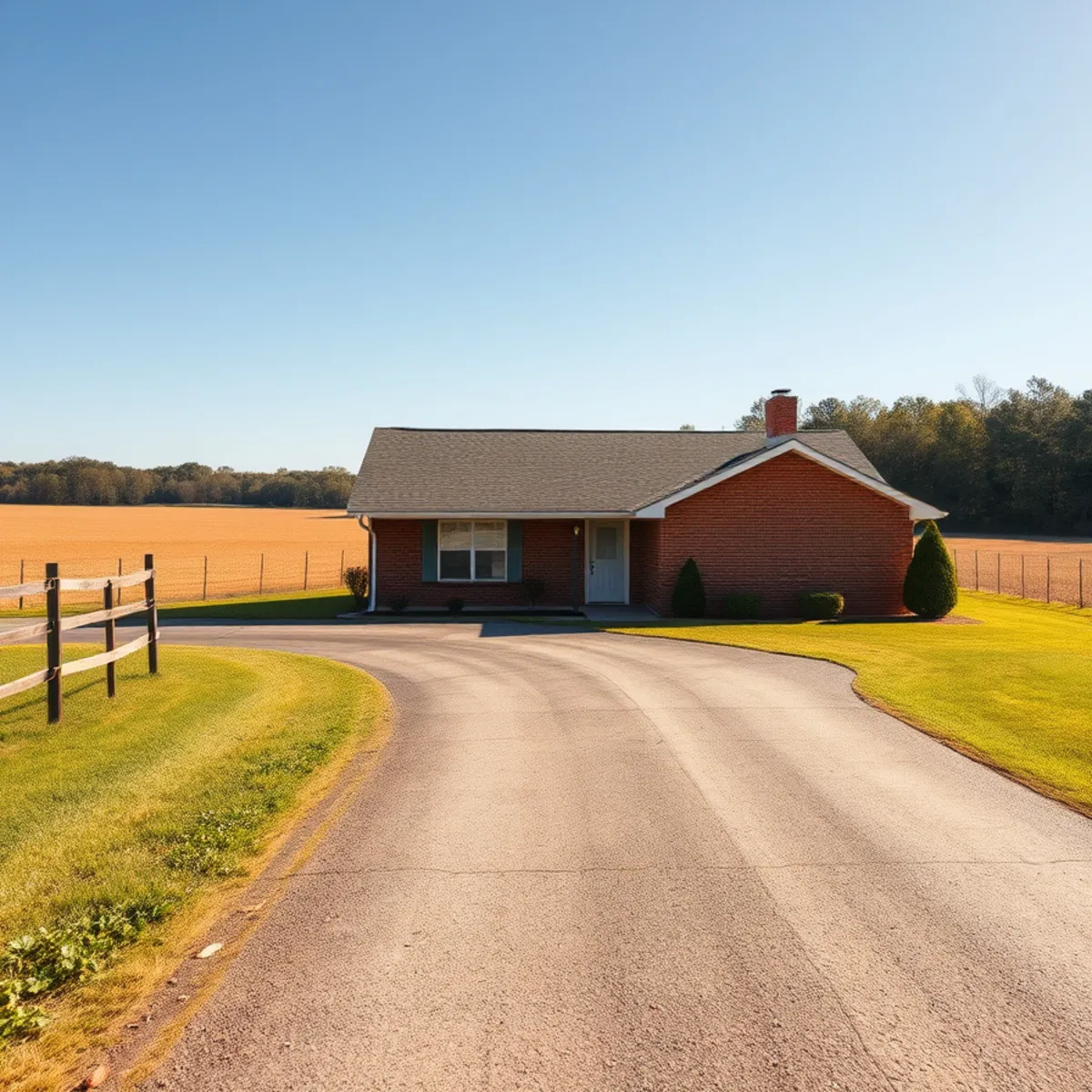
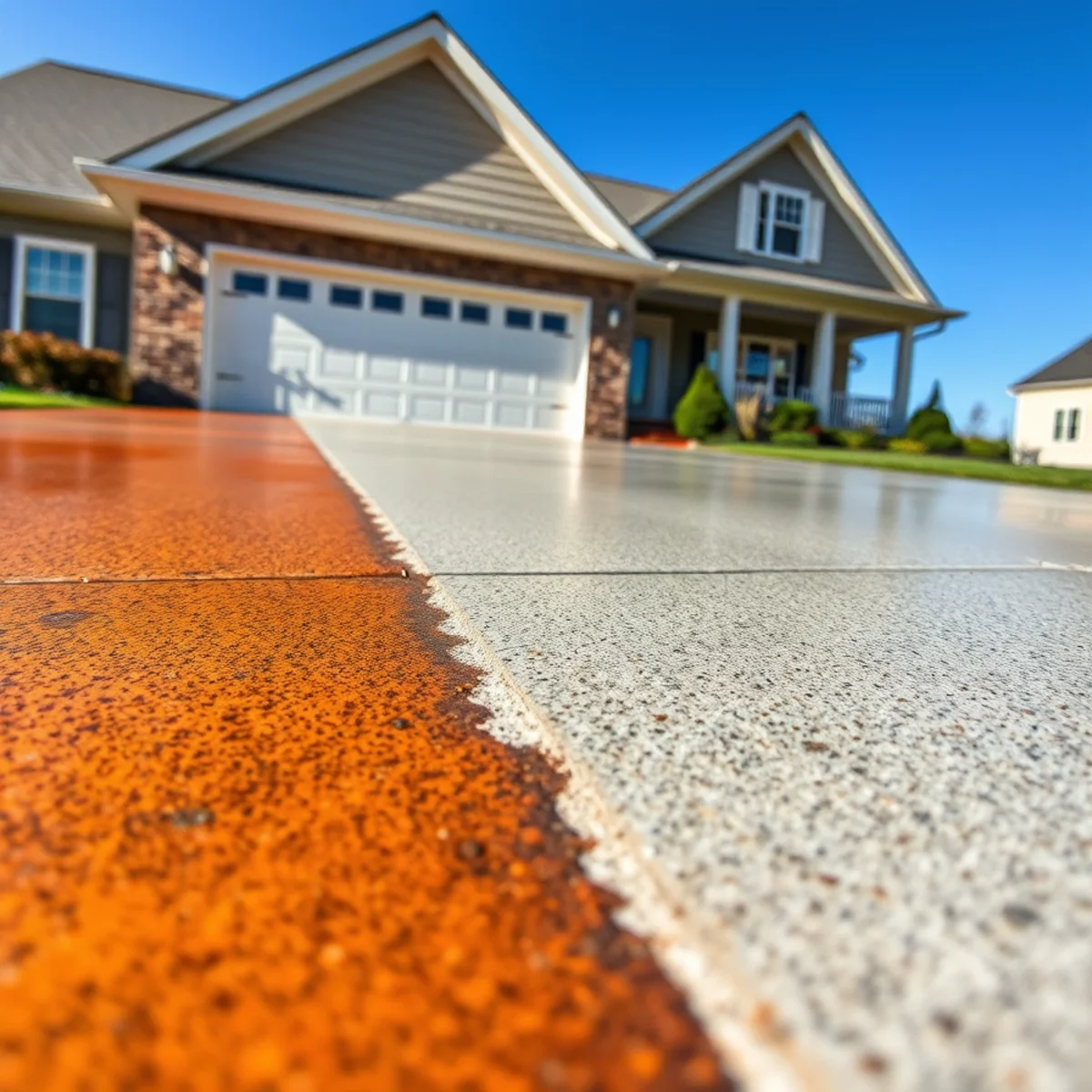
Concrete is where real pressure earns its keep. For driveways, sidewalks, patios, pool decks, and the carport slabs that are everywhere on Cherryville's mid-century lots, we run a rotary surface cleaner that gives an even, stripe-free clean instead of the wand marks you get from a careless operator. That's the right call for a hard, flat surface that can take the pressure.
On concrete we're after the red-clay tire splash, the oil and rust spots, and that dark mildew line where the driveway meets a shaded lawn. A typical job runs in the range of about $0.15 to $0.35 a square foot, which puts most two-car driveways somewhere around $150 to $260 depending on size and how bad the staining is. If you want it to stay cleaner longer, we can talk about sealing concrete or pavers after the wash.
Roofs and Gutter Brightening
We clean roofs with no pressure at all. Walking a roof or pressure-washing shingles knocks off the protective granules and can void your shingle warranty, so we use a soft-wash solution that kills the gloeocapsa magma algae and lets the rain rinse those black streaks away over the following weeks. On the older, shaded roofs common in the tree-heavy parts of Cherryville, that algae comes back fastest, so roof cleaning is often the highest-impact thing we do for curb appeal.
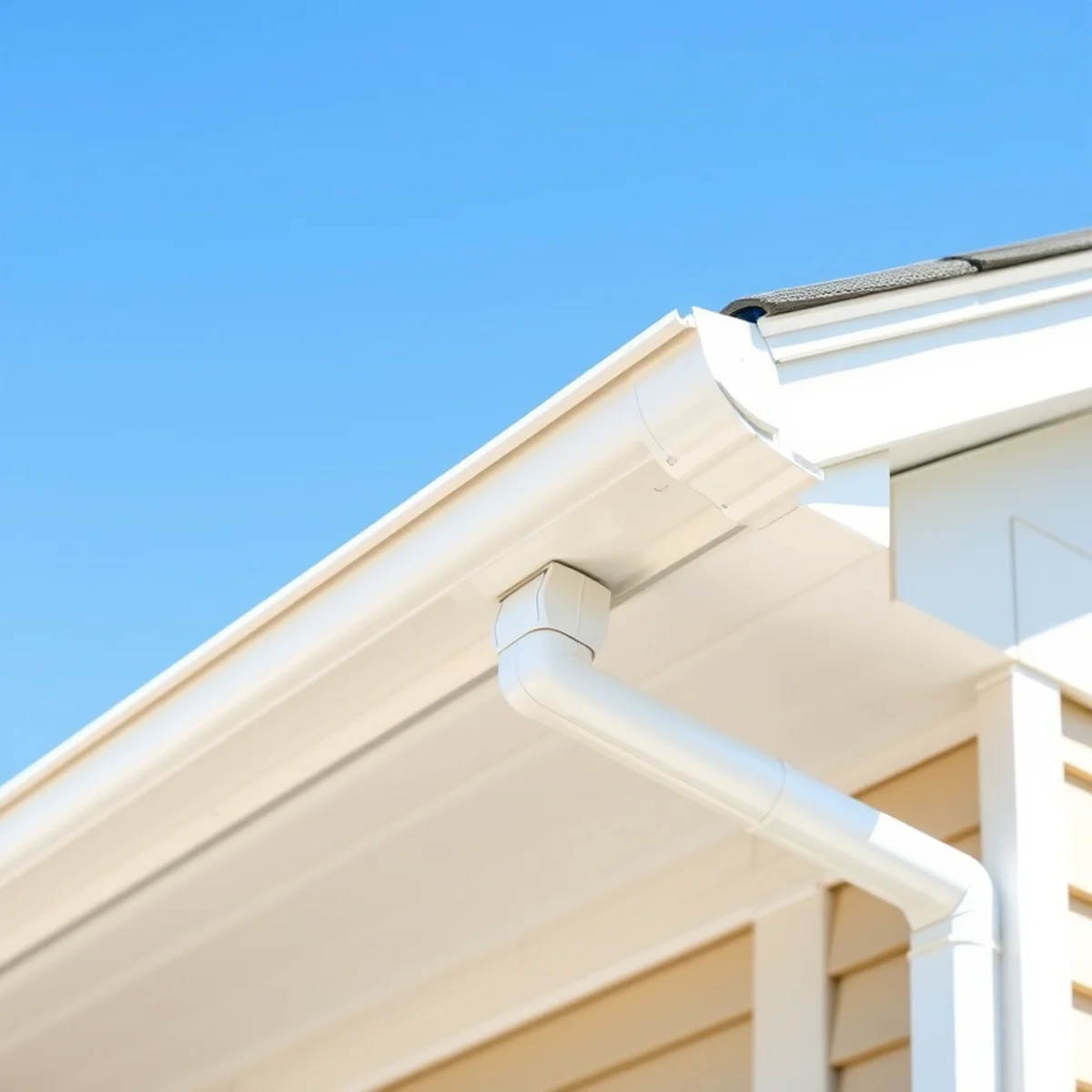
While we're up there, we handle gutters too. Beyond clearing them out, we do exterior gutter brightening to scrub off the oxidation "tiger stripes," those dark vertical streaks that pollen and clay-laden runoff bake onto white gutter faces. Cleaning the gutters but leaving them streaked never looks finished, so we knock both out together.
Plenty of homeowners bundle the roof, the house, and the gutters into one whole-exterior wash. It's the most thorough way to do it, and doing it all in one visit is easier on you and on the budget than spacing it out.
What It Costs and What to Expect
We keep pricing honest and local. House washing here generally runs about $0.15 to $0.30 a square foot, which lands a typical 1,500 to 2,000 square foot Cherryville home somewhere around $200 to $450. Driveways start around $150. What moves the number is the usual stuff: the size and number of stories, how heavy the clay and algae are, the pitch and shade of the roof, and how much square footage is sitting in deep shade growing mildew. A two-story home buried under oaks on a north-facing lot is more work than a sunny ranch, and the quote reflects that.
Every estimate is free and done on-site, because we won't guess at your house from a satellite photo. We're already working Cherryville and Gaston County, so there's no Charlotte travel surcharge tacked on, and we can usually get you on the schedule the same week. We're locally owned and fully insured, we'll show you before-and-after photos of real Cherryville homes, and we're happy to point you to neighbors we've washed. This is our hometown, the same one as the C. Grier Beam Truck Museum on North Mountain Street and the New Year Shooters, and we treat your house like we'll be seeing you at the gas station next week, because we will.
If your siding's gone green, the clay's creeping up the brick, or the roof's streaking black, give us a call for a free estimate at +1 (351) 242-0666. We'll come look at it, tell you straight what it needs, and get your place looking right again, proudly serving Cherryville and the surrounding Gaston County area.
 Concrete & Driveway Cleaning